
When you had your first baby, everything was bliss. Your child played with their toys and watched as much Mickey Mouse Clubhouse as you allowed, of course. Then, along came your second child, and things got, well, interesting. Suddenly, something as simple as who gets to open the car door first becomes grounds for a full-on fight.
Sure, you expected there might be some sibling rivalry, but you never thought it could get this intense. Sadly, sibling rivalry is real, and that’s why it’s important to understand why it happens — and how you can help your kids stop the squabbling and maybe (gasp) learn to love each other.
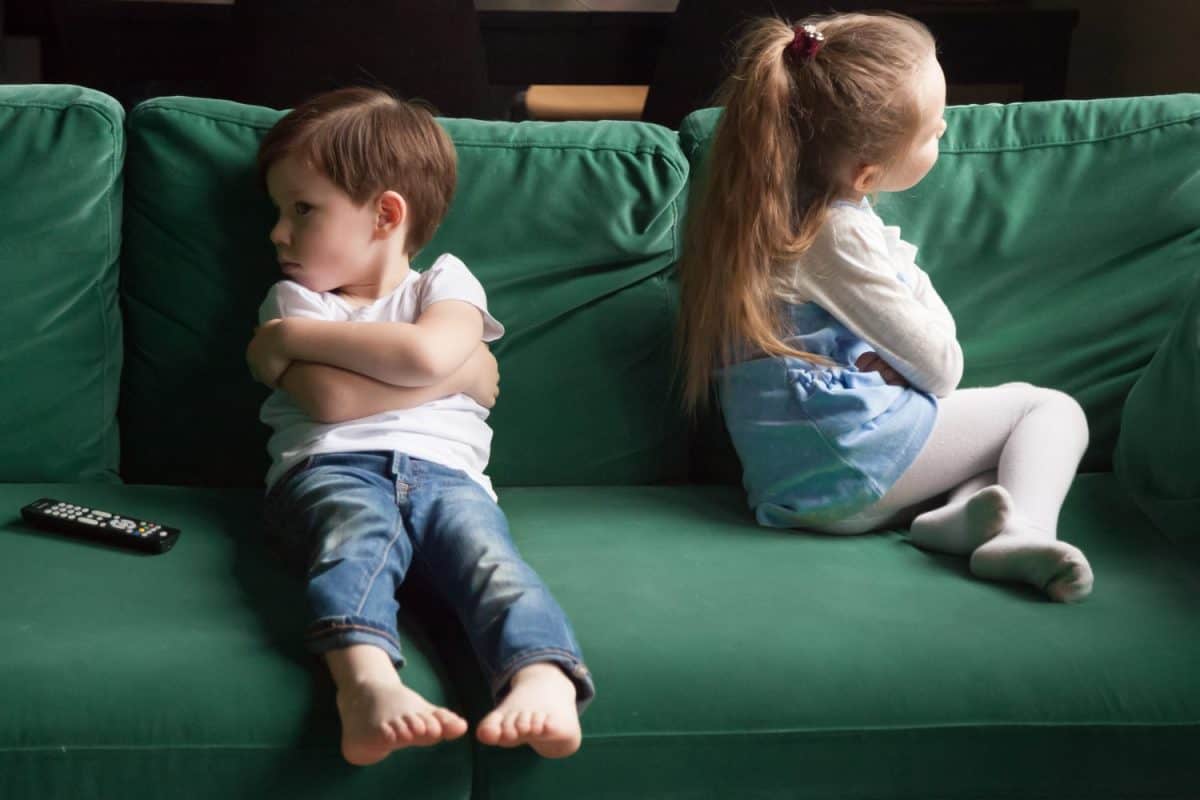
Why Does Sibling Rivalry Happen?
©fizkes/Shutterstock.com
Sibling rivalry can wear down the most patient of parents, and it turns you into a full-time (and very reluctant) referee. So why does it happen?
Although sibling rivalry can occur between any of your kids, it’s most common between the first and second kids. “Sibling rivalry is a natural response to the oldest child feeling ousted from the number one spot, getting all the love and glory of being the one and only,” explains Jeanette Raymond, Ph.D., a licensed psychologist.
“When the next child is born, they’re seen as an interloper and a competitor that has to be vanquished, diminished, or magically disappeared.”
Now, that’s pretty heavy, right? But if you have a sibling yourself, you’ve probably lived through this dynamic, too. Think about it: did you ever fight over who got a slice of pizza that had one extra piece of pepperoni? Or whose turn it was to load the dishwasher? Those arguments might have felt like everything — and may have left you feeling like you weren’t as important in your parents’ eyes.
“The older child wonders why they weren’t enough for the parents — and why they chose to have another child,” adds Raymond. “It sets up deep insecurity and a huge push to make themselves ‘good enough’ again.” And the one way they try to do that is (you guessed it), via dominance and control over their sibling.
Insecurity isn’t the only issue here, though — envy plays a pivotal part, too. “Envy is a big part of the engine that drives rivalry,” Raymond explains. “Envy that the younger child is let off the hook for things the older one wasn’t, or that they’re treated as cuter, more lovable, or even shown off like a trophy.” In essence, a new sibling can feel like a spotlight thief, leaving your older child feeling emotionally devastated.
A Biological Reason for Sibling Rivalry
Although sibling rivalry is rooted in family relationships, science supports that it’s also evolutionary. “Children are wired to compete for the parents' attention and resources, since ancestrally that increased their chances of survival,” says Niloufar Esmaeilpour, MSc, RCC-ACS, SEP, a registered clinical counsellor.
“Even though our modern lives don’t generally involve survival in the same sense, the desire to obtain a parent's attention, approval, and investment remains powerful.” This instinct intensifies for kids who are close in age.
©PeopleImages/Shutterstock.com
How Family Dynamics Influence Sibling Rivalry
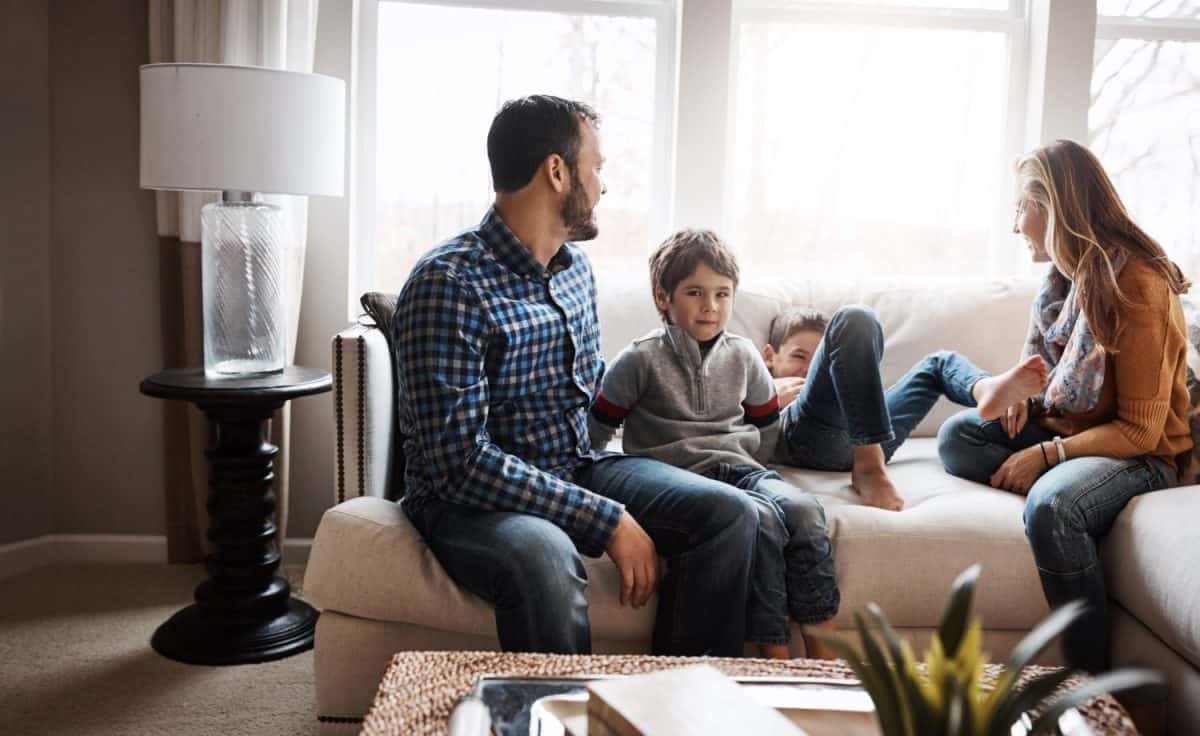
No two siblings are the same. One might be naturally outgoing, while the other is an introvert. One kid does their homework without prompting, and their sibling forgets their backpack at school. In moments of frustration, you might blurt out something like, “Why can’t you be like your sister/brother?” But that comparison sets up a competition that doesn’t exactly foster brotherly love.
“Sometimes parents or caregivers encourage one child to act like the other, highlight differences, or express preference for one type of behavior over another,” explains Jeanae Hopgood, LMFT, M.Ed., CST, PMH-C, CAGCS, a licensed marriage and family therapist. As difficult as it may seem, try to avoid comparing your kids — it can sabotage their self-esteem and create deep resentment.
Mistakes That Can Worsen Sibling Rivalry
While some aspects of sibling rivalry are normal, there are also things you can do as a parent that may make sibling rivalry worse. Here are some of the mistakes to avoid as a parent of multiple children.
Not Preparing Your Child for Baby’s Arrival
Don’t spring a new sibling on your firstborn. Talk to them about the baby before the birth and involve them in the preparations. “They’ll feel attached, proud, useful, and purposeful in the family once the new child is born,” says Raymond.
Expressing Gender Disappointment
Sure, you might have hoped for a boy or a girl, but even indirect disappointment can affect your child. “If parents make it known — even subtly — that they hoped for the opposite sex, it makes the older child feel like they’re not good enough.”
Ignoring the Issue Altogether
If you’re seeing unnecessary squabbles, it’s best to address them. “Take your children’s feelings seriously and never deride them for expressing what you might think is unjustified,” says Raymond. “Doing so can leave a mortal wound that could last a lifetime.”
Simply put, sibling rivalry does not go away on its own. Says Raymond: “Parents who try to stop rivalry and reprimand the kids because it's a headache for them will only intensify it.”
©Miljan Zivkovic/Shutterstock.com
Healthy Ways to Handle Sibling Rivalry
You love your kids equally, but siblings notice absolutely everything, from who got the first slice of pizza to who had a longer bedtime story. If you want to stop the bickering, here are some healthy strategies:
Spend One-on-One Time
Make sure both kids get equal attention. Schedule solo time with each child so they feel special and seen.
Practice Patience
Kids can quarrel about anything, even stuff that they don’t even like. Suddenly, the kid who is water-adverse is bawling because they wanted to take a bath first. Instead of snapping, step away for a minute and take a breather.
Encourage Togetherness
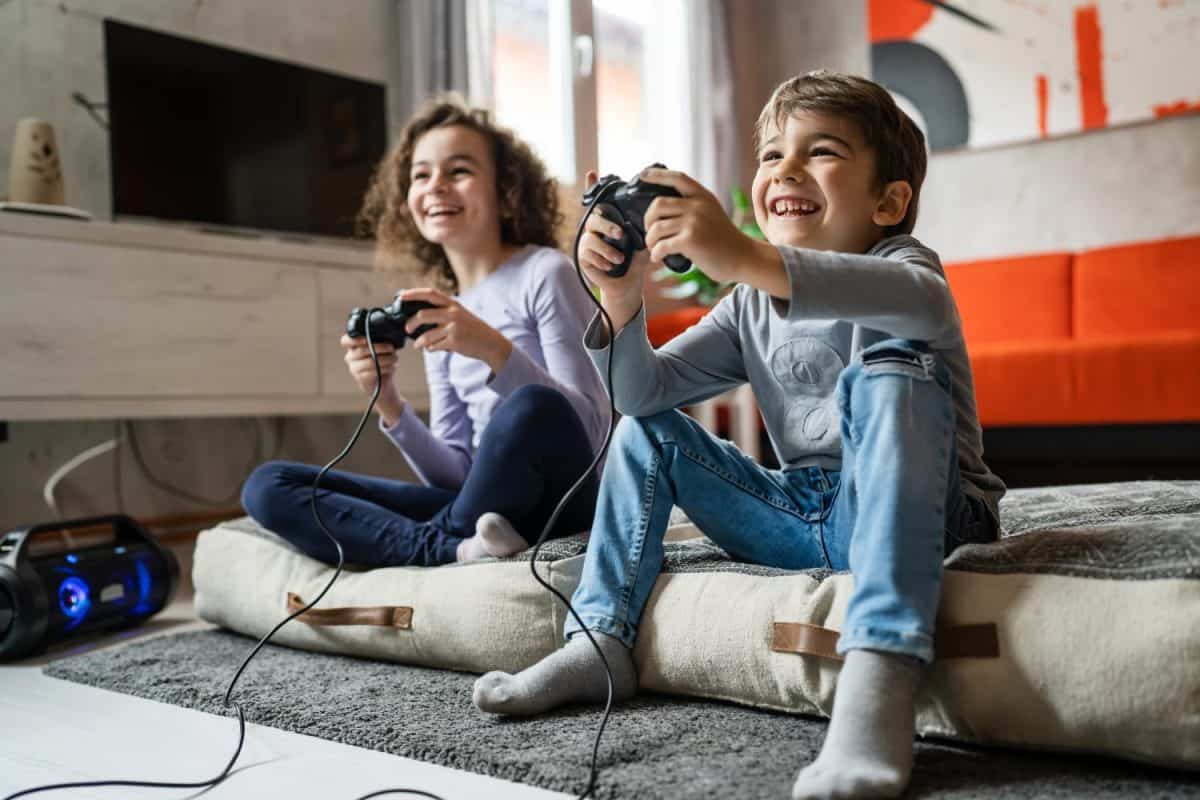
Sure, you might want to separate the sibs when tensions rise, but spending time together can show the importance of teamwork and strengthen bonds.
Avoid Comparison
Celebrate each child’s wins, but without setting up the potential for hurt feelings. “Be intentional about praising desired behaviors in all the children without making them feel compared,” Raymond says.
Reinforce Family Unity
Don’t just separate siblings when they fight. Remind them how unique and important they are in the family unit. “Reinforce the message and practice of being a loving, supportive family where all members belong,” says Raymond.
Give Them Jobs
Recognize each child’s strengths by giving them responsibilities suited to them — whether it’s setting the table, reading to their sibling, or helping with chores. It fosters a sense of importance without rivalry.
Really Listen to Them
Be curious about their conflicts. Sit down with your kids — both together and separately — and ask them what’s really going on. “Find out what they fear most,” suggests Raymond. It might be that they’re afraid you love their sibling more — or that they’ll be replaced.
Sibling rivalry is almost a certainty — but it doesn’t have to last forever. By showing love, listening carefully, and building each child’s sense of self-worth, you can help ease the tension and even encourage a lifelong friendship between your kids.
The image featured at the top of this post is ©Milkos / Getty Images