
Giving birth can be a physically and emotionally intense experience. As if you didn’t have enough to deal with (hello, stitches and sore boobs), your feelings are all over the place. While being up all night with a newborn is exhausting, it may not be the only reason you’re irritable and anxious. Postpartum hormones can also affect your mood, which is why it’s important to understand what’s normal, what’s not, and when to seek help.
What Are Postpartum Hormones?
©paulaphoto/Shutterstock.com
If you thought that all hormones were the same, think again. Pregnancy and postpartum hormones vastly differ, both in function and level. In fact, after birth, hormone levels change more rapidly than at any other time in a woman’s life, according to Dr. Manisha Purohit, MD, an OB-GYN in Gilbert, Arizona.
“During pregnancy, your estrogen and progesterone are extremely high to support the placenta and baby,” Purohit explains. But after delivery, your hormones switch gears — and fast. “These hormones drop sharply within hours to days once the placenta is delivered.”
Elisabeth van der Wilt, a certified holistic doula and women's health coach, adds: “Your hormone levels can decrease to levels similar to a menopausal woman.”
Hormones don’t always do a nosedive, though; in fact, some — such as oxytocin — actually increase after birth. Often referred to as “the love hormone,” oxytocin helps you bond with your baby, and it also serves another major physiological function. “Your oxytocin levels remain high to help with uterine contractions so the uterus can return to its pre-pregnancy size,” van der Wilt adds.
Prolactin is another hormone that spikes — and in a helpful way, especially if you’re breastfeeding. “Prolactin levels increase to support milk production,” Purohit explains. Cortisol and adrenaline may remain elevated, thanks to sleep deprivation and good ol’ stress.
Are Postpartum Hormones Responsible for Mood Swings?
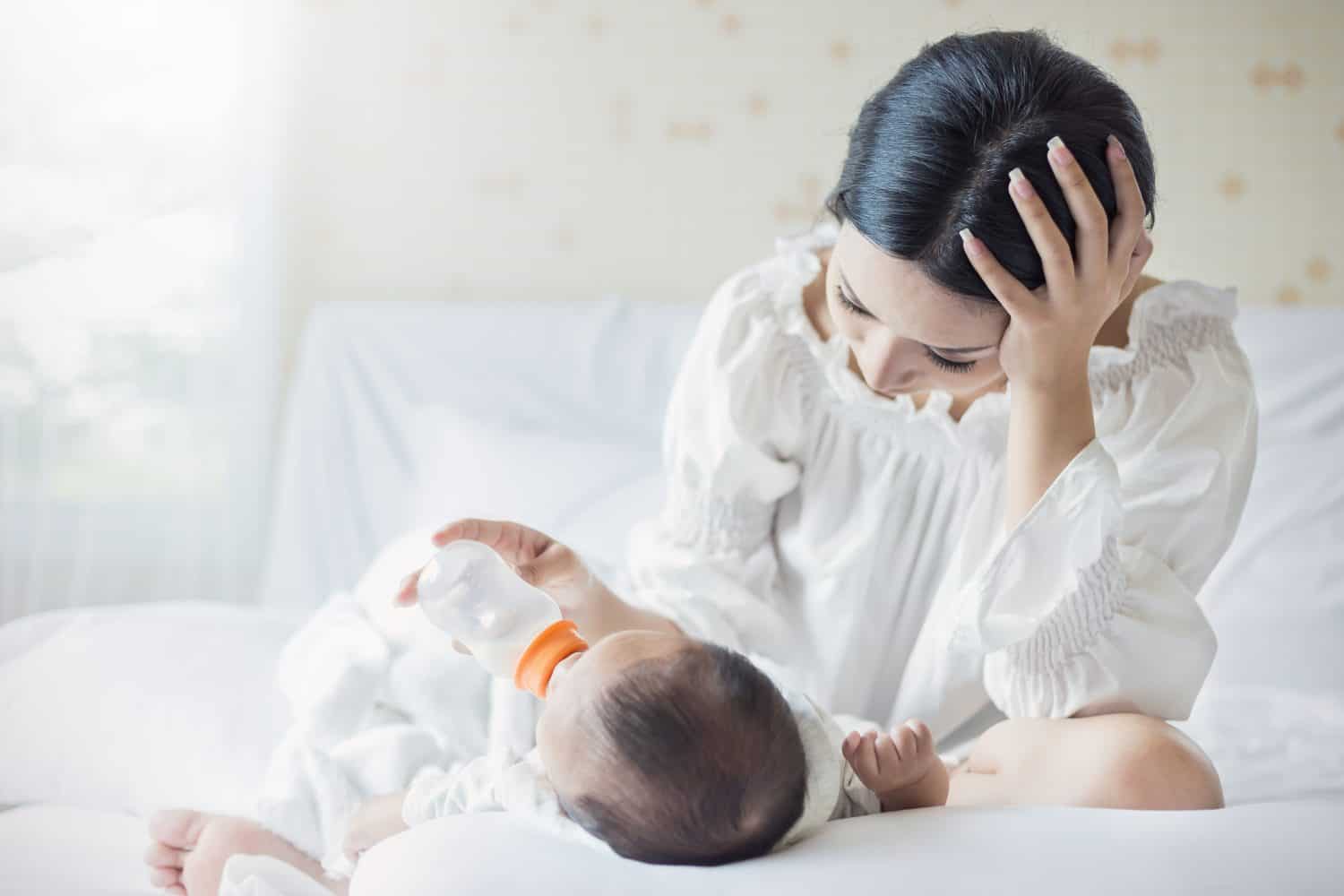
Having a baby is an emotional experience, and smiling one minute only to sob the next isn’t out of the ordinary. The important thing to remember is that you’re not the only one riding this rollercoaster — many women are. “Baby blues affect up to 80% of new mothers, and they typically start within days of birth,” says Purohit, adding that common symptoms include frequent crying spells, anxiety, and (yes) mood swings.
Estrogen and progesterone can fall to pre-pregnancy levels within 24–72 hours, Purohit explains. Prolactin levels fluctuate daily depending on how frequently you breastfeed, and thyroid hormones may temporarily shift in the first few months postpartum, too.
It should come as no surprise, then, that these hormones can wreak havoc on a body that’s still healing. “Because these changes happen so quickly, the body and brain often struggle to keep up, which can affect mood, energy, sleep, and focus,” says Purohit.
The good news is that the baby blues shouldn’t last that long (although it can feel like it). Expect the baby blues to subside within two weeks or so, according to the Mayo Clinic.
©Alena Ozerova/Shutterstock.com
Is It Hormones — Or Just Exhaustion?
Functioning on only a few hours of sleep (if that) can make anyone feel angry, and that’s why you might not be able to tell if lack of sleep or postpartum hormones are to blame for how you feel. And the truth is, the two can be hard to tell apart.
“Hormonal changes and exhaustion often overlap,” says Purohit, but there are clues. “If it’s exhaustion, your symptoms will noticeably improve after you’ve rested or slept,” she explains. And if you’re calling your older child by the dog’s name (and you don’t really care), chalk up your brain fog to lack of sleep.
Hormonal symptoms, on the other hand, tend to feel more intense and less predictable. “Sudden mood swings or tearfulness without a clear trigger is a sure sign that hormones are at play,” says Purohit. “Anxiety, irritability, and sadness that feel insurmountable often appear as well.”
In addition, you may have to say goodbye (temporarily) to your sex life, thanks to a low libido and vaginal dryness. You might feel like pulling your hair out from stress — and you can, since postpartum hormones can cause hair loss. Night sweats, hot flashes, or temperature sensitivity commonly occur, too.
When Should You Speak With Your Doctor?
Knowing what to expect during pregnancy and postpartum is important. That said, there may come a point when toughing it out postpartum is no longer the best option. “Hormonal shifts become concerning when they last longer than two to three weeks or interfere with bonding, daily functioning, or self-care,” advises Purohit. Persistent anxiety, depression, panic, or numbness — along with feeling hopeless or intrusive thoughts — are signs that you should speak with someone immediately.
Postpartum hormones can also affect you physically — and those symptoms should be taken seriously, too. Palpitations, tremors, or extreme fatigue may occur, and while you’ll often be advised by well-meaning people to “sleep when the baby sleeps,” if you’re unable to catch any zzz’s at all, that can be a red flag.
If you’re embarrassed or afraid to share how you’re feeling, remember: there is zero shame in reaching out for help. “Early support makes recovery faster and easier,” advises Purohit. Write down what you’re experiencing so you can clearly communicate symptoms to your provider. If it’s affecting your quality of life or your ability to care for your newborn, seek help immediately.

©aslysun/Shutterstock.com
What Treatments Are There to Help With Postpartum Hormones?
Thankfully, you won’t feel this way forever. Treatment options vary depending on symptoms and severity. If you’d prefer a medication-free approach, your provider might suggest sleep support and a realistic rest plan.
“Nutritional support in the form of iron, vitamin D, and omega-3s can be effective,” says Purohit. Therapy and counseling are also helpful — not only for emotional support, but for identifying stressors and creating coping strategies.
Medication is another option, and many treatments are breastfeeding-safe. Depending on your needs, you may be prescribed certain SSRIs, hormonal therapy, or a medication to address thyroid imbalances if present.
In addition to everything else you’re going through after having a baby, postpartum hormones can feel like a cruel joke — but they’re serious and impactful. Even though these feelings often pass, don’t wait to get help. The sooner you get help, the quicker you'll heal and feel like yourself again. That's when you'll really get to enjoy one of the best parts of early motherhood: those sweet newborn snuggles.
The image featured at the top of this post is ©Natalia Deriabina/Shutterstock.com