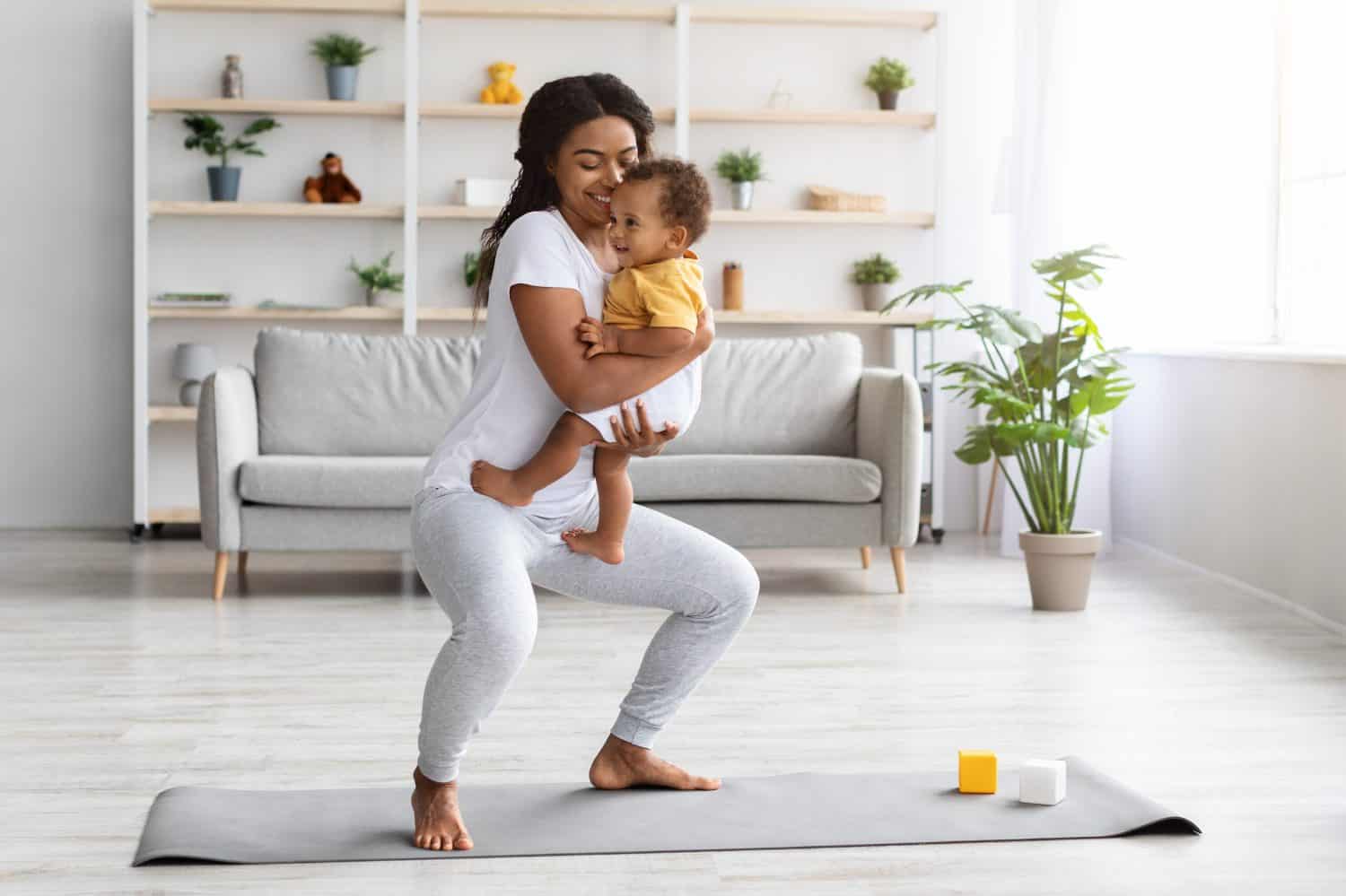
Recovering from childbirth doesn't happen overnight. Being pregnant and giving birth causes many changes in your body, and it can take up to a year to recover and begin to feel like your normal self. Combine that with a newborn who barely sleeps, and it's no surprise that new moms are stressed and exhausted.
It may sound counterintuitive, but moving your body can boost energy levels and improve your mood. Taking the time to exercise also provides an opportunity to focus on self-care. And that's important, but also challenging, when you're caring for a new baby. To find out all the ways that postpartum exercise benefits new moms' mental health, we speak with Priya Batra, PsyD, a women’s health psychologist at Kaiser Permanente in Sacramento, California.
Postpartum Exercise and Mental Health
©Alena Ozerova/Shutterstock.com
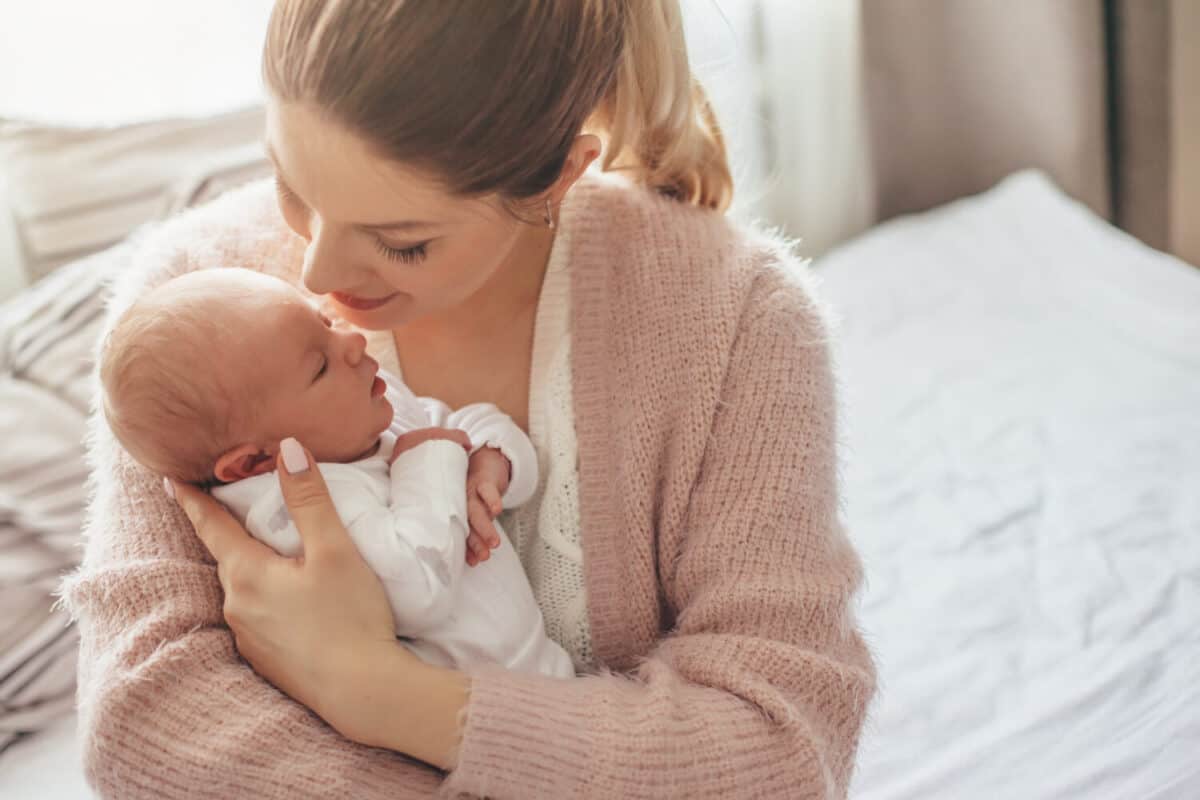
You might wonder whether exercise can benefit a new mother's mental health. Dr. Batra tells us that it does, in so many ways. “Infants typically do not permit their parents to get much sleep. As we move through our days with fatigue, we need activities that lift us both physically and mentally. Exercise gets the blood pumping and our respiration activated.”
The impact of postpartum exercise can be long-lasting for a new mom's physical and emotional well-being. “Working out allows us to have a personal time-out or social time-in with an exercise partner or workout group. Resuming regular movement can move us toward our physical goals and, in turn, increase self-esteem and energy reserves. Emotions can be dysregulated in the postpartum period, and we know that exercise is a great stabilizer of mood and anxiety as well.”
Additionally, exercise doesn't have to be intense to reap the rewards. You don't need to go out and run five miles or attend an intense pilates workout. Unless, of course, you want to and your doctor approves. When you've received the go-ahead from your physician, start by trying low-intensity exercises. For example, walking, gentle yoga stretches, or pelvic floor exercises will all help your body and mind recuperate.
Exercise Reduces Risk of Postpartum Depression
Not only can postpartum exercise improve how you feel physically, but researchers have found it may help boost your mood. Dr. Batra explains, “A recent meta-analysis of 35 studies from earlier this year showed that exercise reduced the severity of depressive and anxiety symptoms.”
“Exercise can also help thwart postpartum depression from even occurring. Within medical guidelines, it is recommended that pregnant women stay active and that postpartum women engage in 150 minutes of gentle exercise per week once medically cleared.”
Why Self-Care Is So Critical for New Moms
©fizkes/Shutterstock.com
It can be easy to fall into the trap of forgetting to take care of yourself when you're caring for a new baby. It's even harder to carve out time for yourself if you have other little ones. Dr. Batra explains why moms need to remember that caring for themselves benefits everyone in their family.
“Baby is best served when Mom is well! We don’t stop being individuals with needs and preferences upon becoming mothers. As we are told when flying on an airplane, we must put on our oxygen masks first before helping those around us.”
“Similarly, taking time to be healthy, nourished, and interpersonally engaged buoys us such that we can maintain stamina for the demanding tasks of parenting. The ‘time away' is an investment and I have rarely not seen it pay out dividends.”
Don't Compare Yourself to Social Mommy Bloggers
There is no shortage of social media influencers offering up endless advice on everything from making your own baby food to keeping a perfectly clean home. Remember, these women are selling something, and they only show you what they want you to see. Don't feel pressure to compare yourself to these seemingly perfect women.
Dr. Batra says, “I frequently encourage new moms to move away from the subjective aesthetics of their pre-pregnancy bodies and focus instead on the objective accomplishments and abilities of what their bodies did during pregnancy, delivery, and in the postpartum period. They have carried life and now are sustaining wellness in a newborn. In this, there should be pride, affirmation, and pleasure.”
It's important for new moms to think about how social media may be impacting them as well. Dr. Batra advises, “They should be mindful of how social media and ‘mommy-influencers' are contributing toward their mental health and possibly take a break from such messaging and images. For most women, it takes a year to recover. The “job” of the postpartum period is to heal and then to connect with and respond confidently to their babies.”
©Halfpoint/Shutterstock.com
Accept Help From Others and Be Kind to Yourself
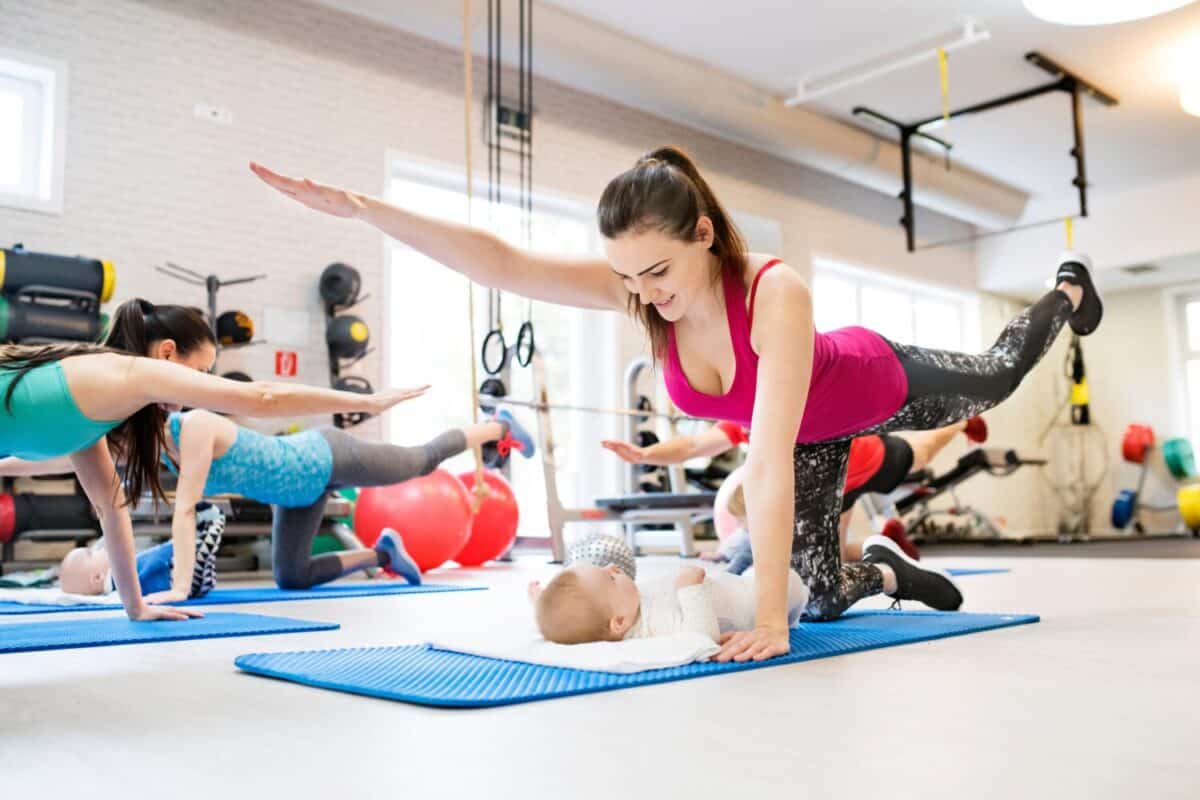
Don't feel guilty or think you need to refuse help when someone offers it. And don't hesitate to ask for help from your partner, family, or a babysitter when you need it. Carving out time to take care of yourself and your needs is essential to your mental health. Maybe this means a quiet walk by yourself, or a yoga class with a friend. You may be surprised how refreshed you feel when you've had even a little bit of time on your own.
Dr. Batra says, “Please be kind and gentle with yourself. Speak to yourself as you would to a friend or family member. Motherhood ushers in a period of profound change and persistent demand. Exercise can be a solitary time to sweat, think, breathe, and rebuild. It can also happen within a social context. Social engagement is mood protective and can be therapeutic as well!”
The image featured at the top of this post is ©Prostock-studio/Shutterstock.com