|
Chicken Recipes |
Health Spotlight Meningitis Symptoms Abnormal Paps In the Delivery Room Got Perimenopause? |
|
Choose from over 150 Healthy Recipes to lose weight and keep it off. |
![]() |
Harry Potter Anniversary Win either a complete box set of books 1- 7, the Anniversary Edition of ‘Sorcerer’s Stone’, and a collectible pin or the book and collectible pin. Enter to win here. |
![]() |
Win A KitchenAid Artisan Stand Mixer
from MomsWhoThink With the holiday season approaching, this is the perfect mixer for those marathon baking sessions. The poweful Artisan can handle the toughest tasks with ease, it's the mixer cooks love!
You could win this incredible mixer simply by entering here. |
| Popular Pages |
|
Chicken Recipes |
Health Spotlight Meningitis Symptoms Abnormal Paps In the Delivery Room Got Perimenopause? |
|
Choose from over 150 Healthy Recipes to lose weight and keep it off. |
![]() |
Children need support throughout all of the stages of their education, from preschool to grade school and beyond. |
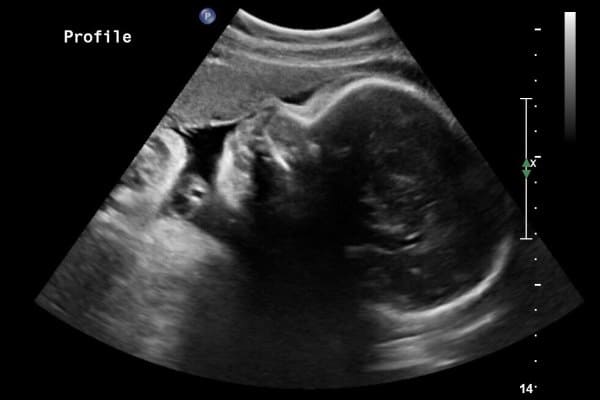
The Third Trimester29 weeks pregnant – 42 weeks pregnant
Welcome to your third trimester of pregnancy, you’re in the home stretch ! As your pregnancy progresses, your doctor will need to monitor your blood pressure and weight. It will also remain very important to monitor the baby’s heartbeat and movements. During your last month of pregnancy, you will have weekly doctor visits. In your third trimester you will be tested for group B streptococcus, or GBS. It is harmless in adults, but can cause the baby to become critically ill. If GBS shows up on the swab from your vagina or rectum, you will be administered an intravenous antibiotic during your labor to help protect the baby. During the pelvic exams in your third trimester, you doctor will check to see of your baby is positioned head first or butt first, also known as breech. If your baby is breech, your doctor will discuss possible treatments and delivery options with you. Aches and pains may become bothersome as your uterus grows and the joints of the pelvis begin to loosen in preparation for delivery. Be especially mindful of how you sit or stand, as back pain will appear more easily. Exercising will help you keep your energy levels up. Walking, swimming, and exercises for strengthening the abdominal muscles, which support the back, can help keep you pain free. Always check with your doctor or midwife to get the ok for exercising based on your fitness and health.You may be noticing some swelling of your ankles and legs. Between 40 and 75 percent of pregnant women will develop mild edema. Swelling of the feet and ankles is normal. Retaining fluids and blood vessels becoming dilated will leave your face and eyelids puffy in the morning. Spider veins, varicose veins and hemorrhoids may appear, try elevating your legs and drinking lots of liquids. While mild swelling is normal, it's important to call your care provider if your hands or face begin to swell, if swelling lasts more than 24 hours or if it's accompanied by a rapid weight gain or a rise in your blood pressure -- possible signs of preeclampsia. Your doctor or midwife will check your blood pressure, note the degree of swelling present and will probably decide to run a quick test to see if there is protein in your urine. Shortness of breath is also normal as your uterus becomes bigger under your diaphragm. By now, you may long for a good night's rest, and finding a comfortable position may have become an ongoing challenge. If you feel like sleeping on your back -- or even on your belly -- go right ahead. Pregnant women should sleep in whatever position they find the most comfortable (the exception to this rule is if you are in a high-risk pregnancy). Discuss your concerns with your doctor or midwife. If after falling asleep you wake up with leg cramps try these tips to help eliminate cramps: Exercise helps! Walking keeps your circulation going. Time to buy diapers and baby clothes and a car seat. It's also a good time to prepare your children for the baby. Find out about hospital or birth center protocols for sibling participation. Make an appointment with a pediatrician or pediatric nurse practitioner to ask about newborn exams and tests. Find out if the staff is supportive of breastfeeding. By your third trimester, if you haven't already done so, now is the time to write out a list of questions and concerns that you may have regarding your labor and birth. You may also want to review a few checklists to make final preparations for the arrival of your new baby. Things To Take To The Hospital At around 36 weeks pregnant, you may have your first internal exam to see if your cervix has softened, thinned (effaced), dilated, or if your baby's head is dipping into your pelvis. Keep in mind that many women go to full term despite total effacement, a centimeter or two of dilatation and a fully engaged fetal head. Likewise, a woman whose cervix is "long, thick and closed" may give birth the next day. You may be counting the days until your baby's official due date but only about five percent of babies are born on their due date, so be prepared for variance in the actual date. If you are having your first baby your baby may have "dropped" into your pelvis. The process of engagement or "lightening" in a woman who has already given birth is a phenomenon usually reserved for labor. By 38 weeks pregnant your baby is truly "full term" and could come at any time. Around this time, you may "lose" your mucus plug. It can look like thick, slippery brown discharge or an actual "plug." Some women never experience this. For others, it may occur just before labor, or any time in the last month of pregnancy. Remember to keep track of your little one's movements and call your doctor or midwife if you notice any drop in frequency or change in the pattern. In the 40th week of pregnancy, you will reach your due date. Remember that 95 percent of babies are born either in the two week period before or after their due date.
Powered by !JoomlaComment 3.26
3.26 Copyright (C) 2008 Compojoom.com / Copyright (C) 2007 Alain Georgette / Copyright (C) 2006 Frantisek Hliva. All rights reserved." |
|||||||