The Space Race is usually remembered as a high-stakes competition between the United States and the Soviet Union, with national pride, scientific achievement, and the race to reach the moon all hanging in the balance. Behind the headlines, however, engineers were also working through thousands of practical problems involving food storage, insulation, communication, safety, clothing, tools, and everyday comfort. Many of the solutions they developed eventually found their way into homes, schools, hospitals, and family routines.
Some of these inventions are still closely associated with NASA, while others have become so ordinary that their connection to space exploration is easy to miss. Products used in kitchens, bedrooms, cars, medical offices, and even children’s belongings were influenced by technology created or improved during this era. These 15 everyday items show how the Space Race changed much more than science and politics. It also helped shape the way families live today.
How Space Research Changed the Family Camera

Parents once needed a separate camera, extra film, and a little luck to capture birthdays, vacations, or the first day of school. Today, nearly every family moment can be photographed with a phone, thanks partly to research at NASA's Jet Propulsion Laboratory. In the 1990s, engineer Eric Fossum and his team developed a smaller, more energy-efficient CMOS active-pixel sensor for spacecraft cameras. By placing more imaging functions on one chip, the design helped make tiny, affordable cameras practical for phones and other portable devices. Technology meant to photograph distant worlds eventually became part of the device families carry everywhere.
Memory Foam Made Its Way From Aircraft to Bedrooms
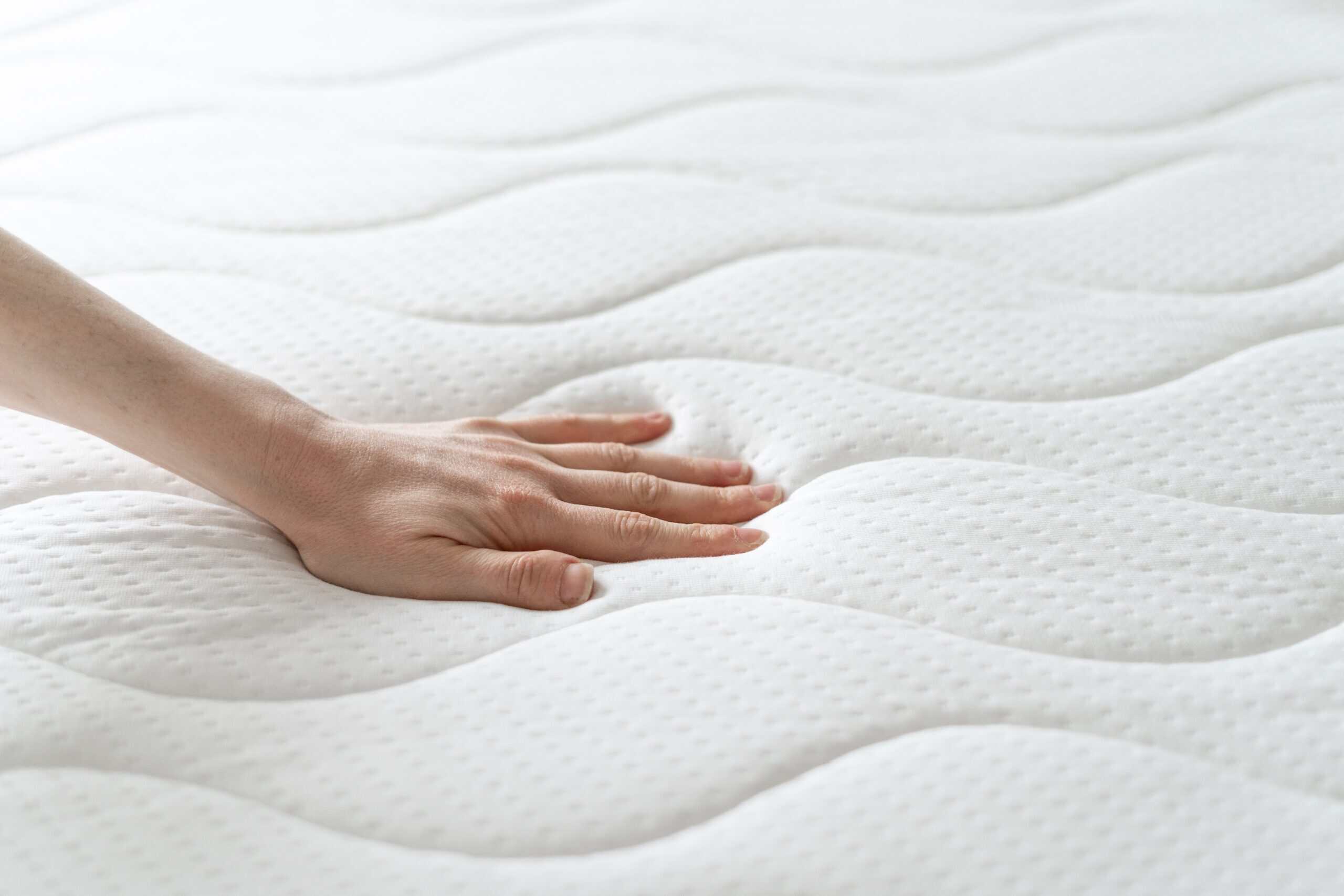
That mattress topper, travel pillow, or cushioned car seat may owe something to NASA-funded research. In the late 1960s, engineers wanted a material that could improve cushioning and absorb pressure during aircraft testing. The result became known as temper foam, which responds to body heat and weight before slowly returning to its original shape. NASA later released the technology for commercial development, and it appeared in medical cushions, protective equipment, furniture, and mattresses. For families, its most familiar use is helping someone sleep more comfortably. A material created to solve a demanding safety problem in the air found an unexpectedly cozy second life at home.
Weather Satellites Made Family Forecasts More Useful
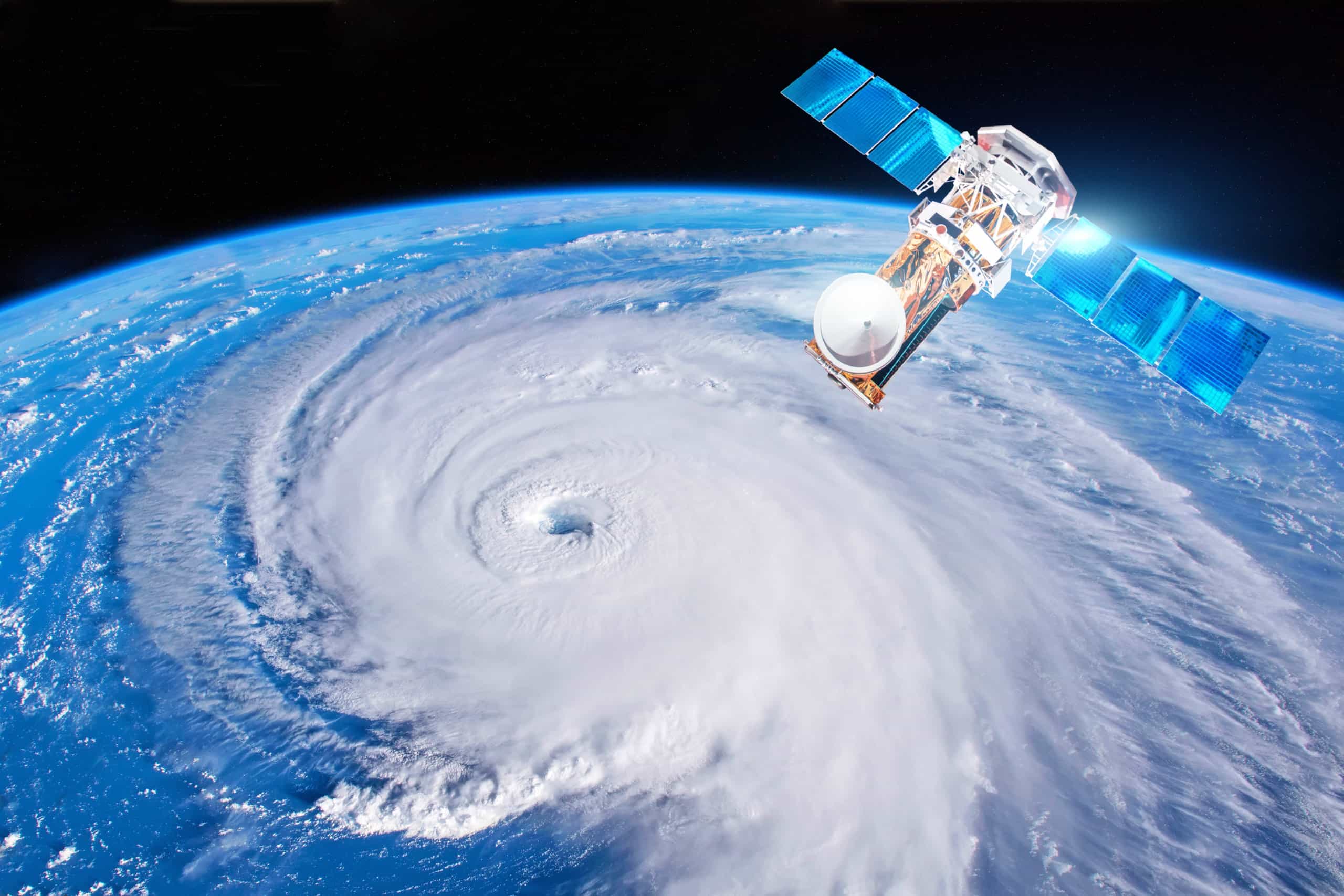
Planning a school pickup, beach weekend, or backyard birthday is much easier when forecasters can see storms developing far beyond the nearest weather station. That ability changed after TIROS-1 launched on April 1, 1960. The experimental satellite operated for only 78 days, but it returned thousands of images showing cloud systems from above and proved that weather could be monitored from space. Later satellites added better cameras, infrared instruments, and wider coverage. Modern forecasts still use ground observations and computer models, but satellite data fills in oceans and remote regions once difficult to track. The weather map families check each morning is a clear legacy of the early Space Age.
The Dustbuster Turned Moon Research Into a Kitchen Helper
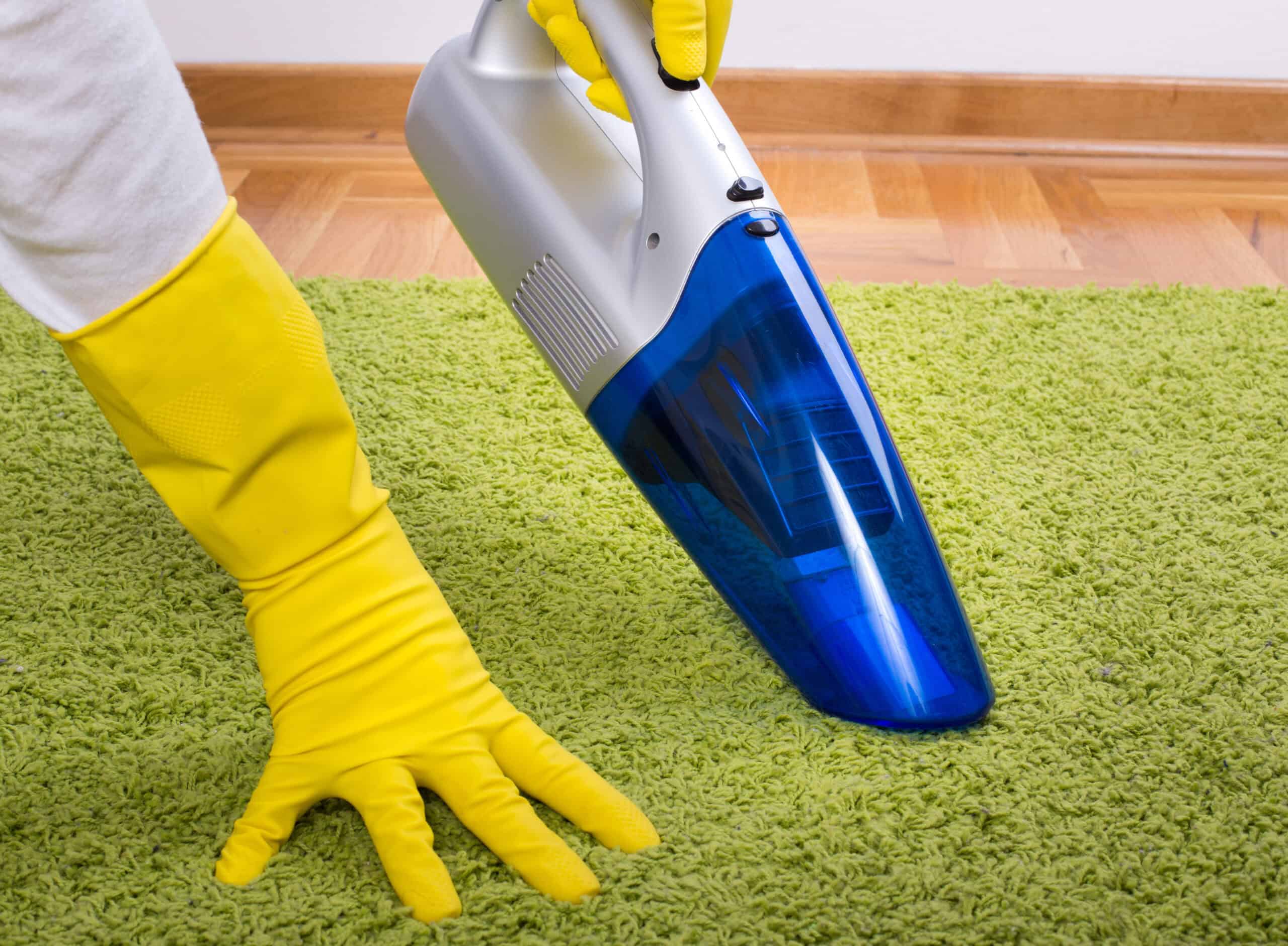
Few household messes feel less glamorous than cereal under a table or crumbs wedged into a couch, yet one familiar cleanup tool has ties to Apollo-era engineering. Black & Decker worked with NASA on lightweight, battery-powered equipment that could collect samples on the moon while using as little energy as possible. Computer modeling helped refine the motor and balance power, size, and battery life. That expertise later helped shape the Dustbuster, introduced in 1979 as a practical cordless handheld vacuum. NASA did not set out to improve kitchen cleanup, but the push for compact, efficient tools eventually made it easier for parents to chase crumbs without dragging out a full-size vacuum.
Taking a Child's Temperature Became Faster
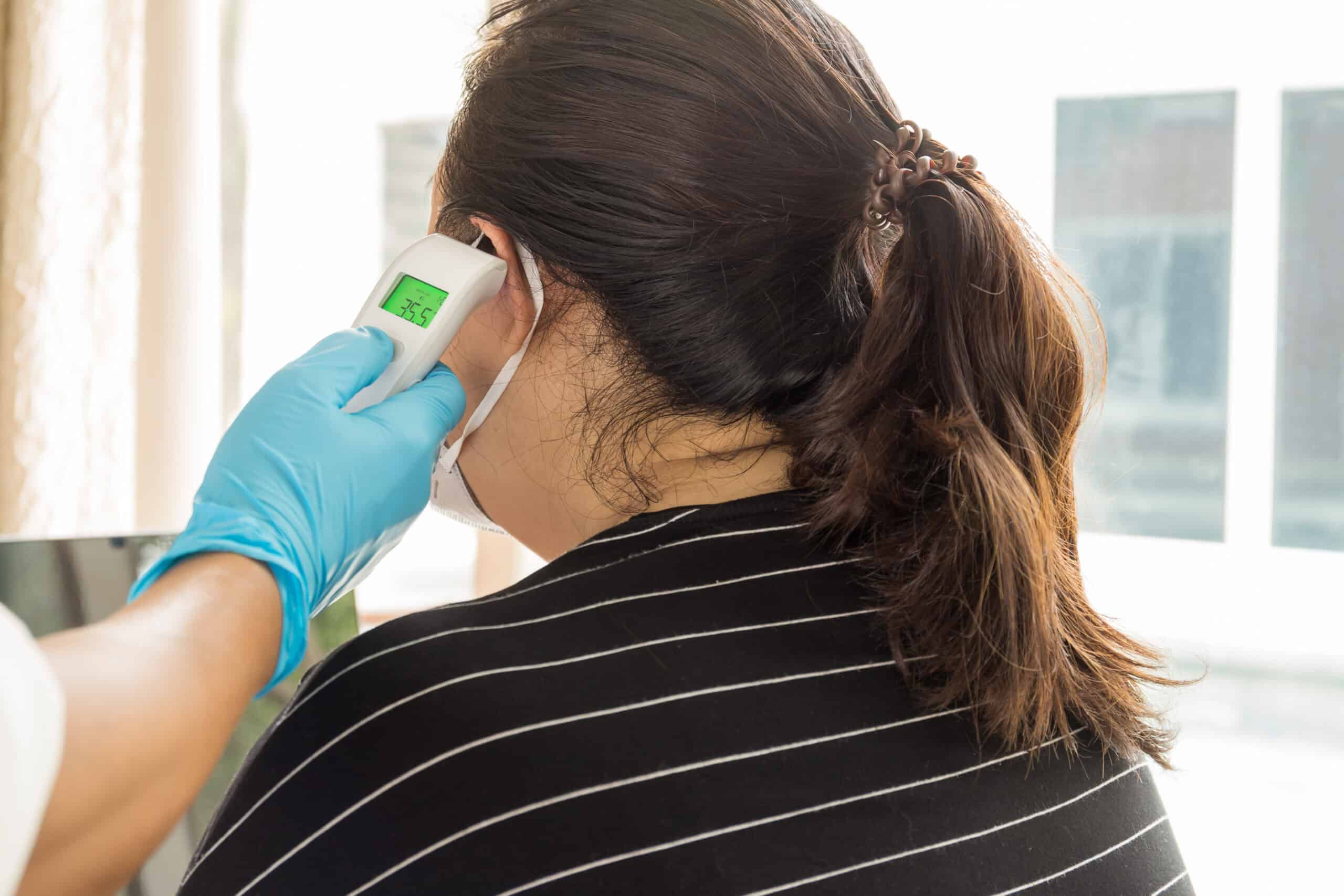
Anyone who has tried to keep a thermometer in the mouth of a sick, restless child can appreciate a reading that takes only a few seconds. Infrared ear thermometers grew from technology used to measure heat without touching the object being studied. NASA's Jet Propulsion Laboratory used similar principles in astronomy, where sensors detected energy from distant stars and planets. JPL later worked with Diatek Corporation on a small aural thermometer that measured infrared energy from the eardrum. The technology has continued to evolve, but its appeal to families remains simple: it makes one unpleasant part of caring for a sick child quicker, cleaner, and far less stressful.
Space Coatings Helped Eyeglasses Survive Daily Life

Children's glasses have to survive backpacks, playgrounds, kitchen counters, and the occasional unexplained fall to the floor. When manufacturers moved toward lighter plastic lenses, scratching became a practical problem. NASA researchers had been developing abrasion-resistant coatings to protect plastic surfaces on aerospace equipment and helmet visors. Versions of that technology were later licensed and adapted for commercial lenses, helping plastic eyewear hold up better during everyday use. The space program did not invent glasses, but its coating research helped make them more durable, which can mean clearer vision, fewer replacements, and a better chance of surviving ordinary family life.
Spacecraft Water Systems Influenced Filters at Home

Clean drinking water is easy to take for granted when it comes from a refrigerator dispenser or countertop pitcher. Spacecraft posed a harder challenge because astronauts needed safe water without carrying an unlimited supply from Earth. NASA worked on compact purification systems that combined filtration with methods for controlling bacteria and other contaminants. Activated carbon and water treatment existed before the Space Race, so NASA did not invent the household filter. Its research did help advance lightweight, dependable systems that could operate with limited space and power. Similar goals continue to shape water technology used in homes, disaster response, remote communities, and future missions.
Space Research Helped Make Smoke Alarms More Reliable
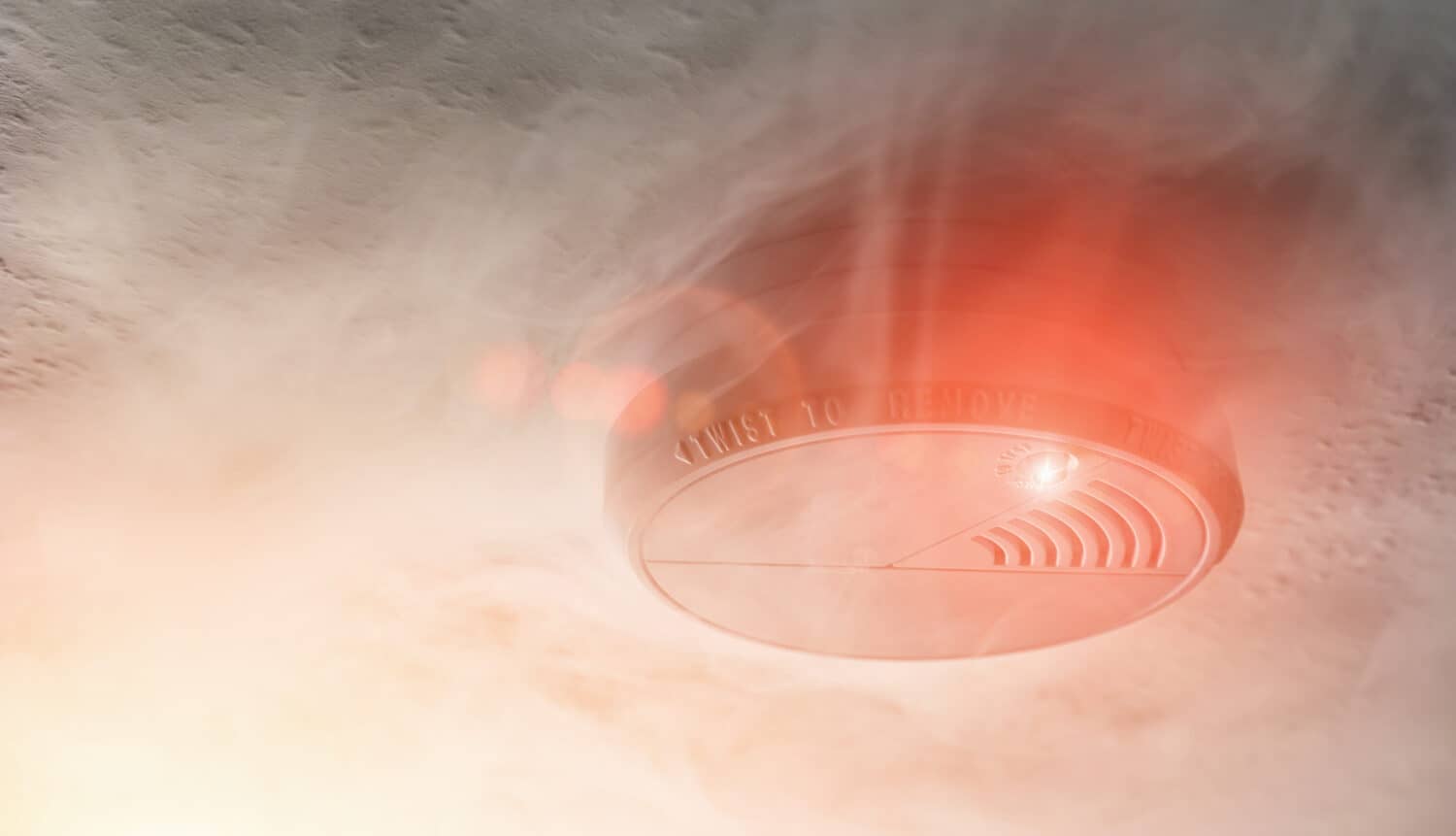
Smoke alarms existed before astronauts lived in orbit, but protecting a sealed space station required especially careful detection. A false alarm could disrupt a mission, while a missed fire could become catastrophic. For Skylab, NASA worked with Honeywell on a detector that could adjust its sensitivity to identify dangerous particles without reacting unnecessarily to every change in the cabin. Related sensing ideas later appeared in commercial safety products. NASA did not invent the home smoke alarm, but space research contributed to improvements in how detectors responded and were calibrated. The small device on a hallway ceiling reflects decades of safety work from many industries, including aerospace.
Satellite Tracking Changed the Family Road Trip
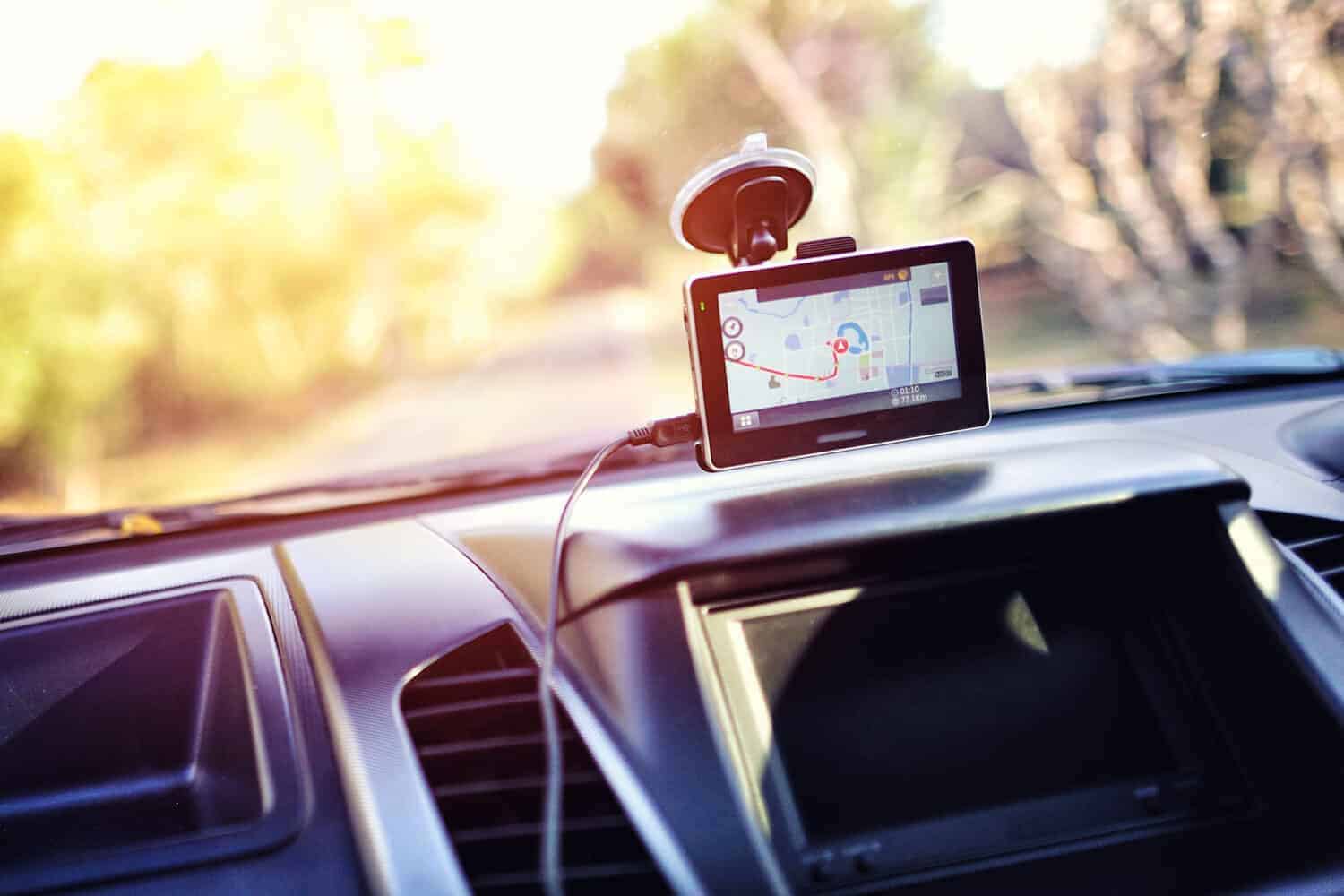
Getting lost on a family trip once meant unfolding a paper map, watching for highway signs, or stopping to ask for directions. GPS grew from satellite research that accelerated after Sputnik launched in 1957. Scientists realized that changes in a satellite's radio signal could reveal its orbit and, in reverse, help determine a receiver's position on Earth. The U.S. Department of Defense developed the modern GPS system over the following decades, with the first satellite launched in 1978. Civilian accuracy improved greatly in 2000 when intentional signal degradation ended. GPS is not a NASA invention, but it is a product of the Space Age that now guides school runs, vacations, deliveries, and emergency crews.
Space Meals Helped Improve Freeze-Dried Foods
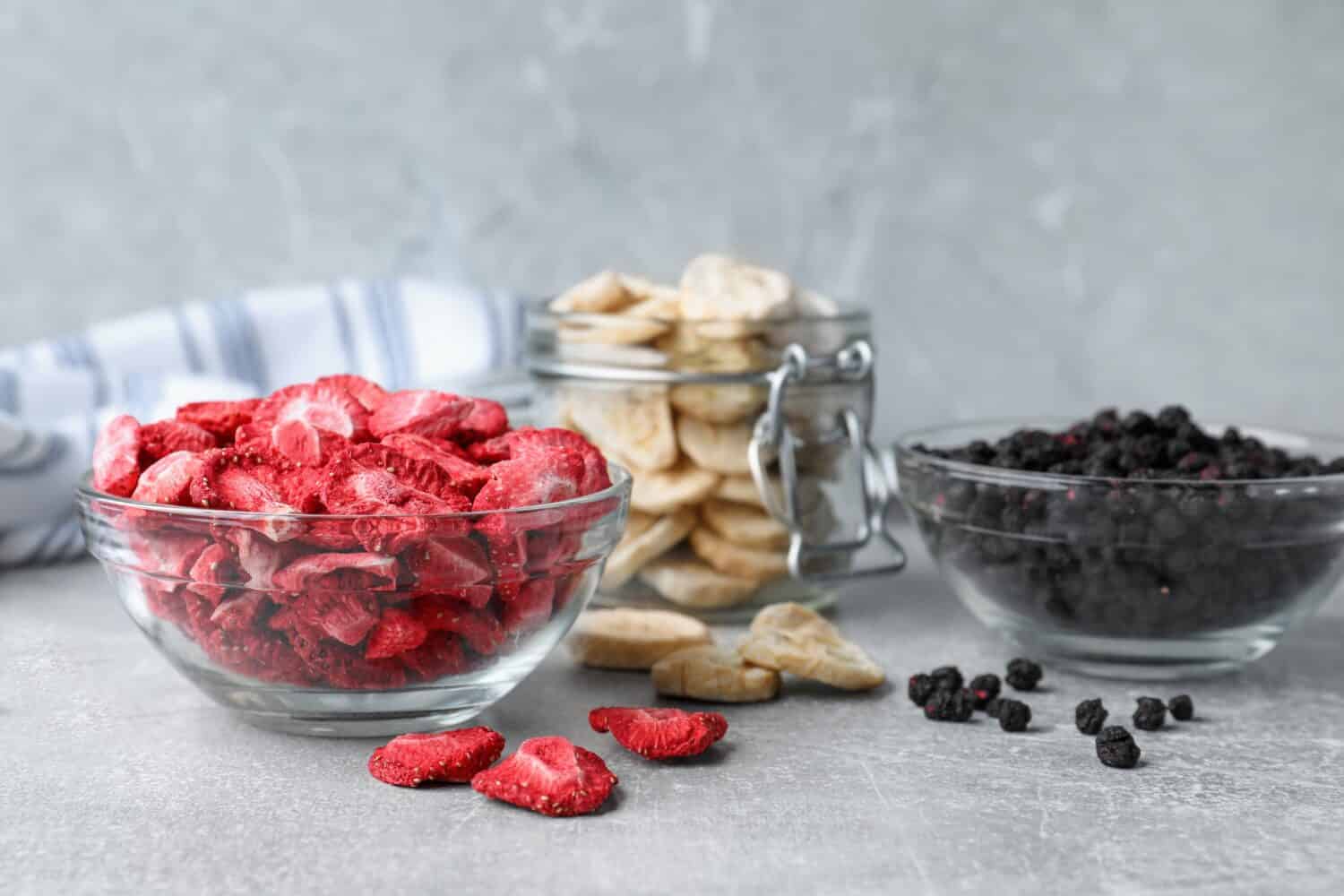
Freeze-drying existed before astronauts traveled into space, but NASA gave food companies a demanding reason to improve it. Meals for Gemini and Apollo crews had to be lightweight, compact, safe for long storage, and nutritious enough for stressful missions. They also needed to be prepared with limited water and eaten where floating crumbs could cause problems. Those requirements encouraged advances in packaging, portioning, flavor, texture, and rehydration. Modern freeze-dried fruit, vegetables, snacks, and camping meals are not all direct NASA inventions, but the space program helped prove how useful the process could be. Families now find the technology in lunchboxes, emergency kits, and grocery aisles.
Space-Age Ceramics Helped Braces Become Less Noticeable
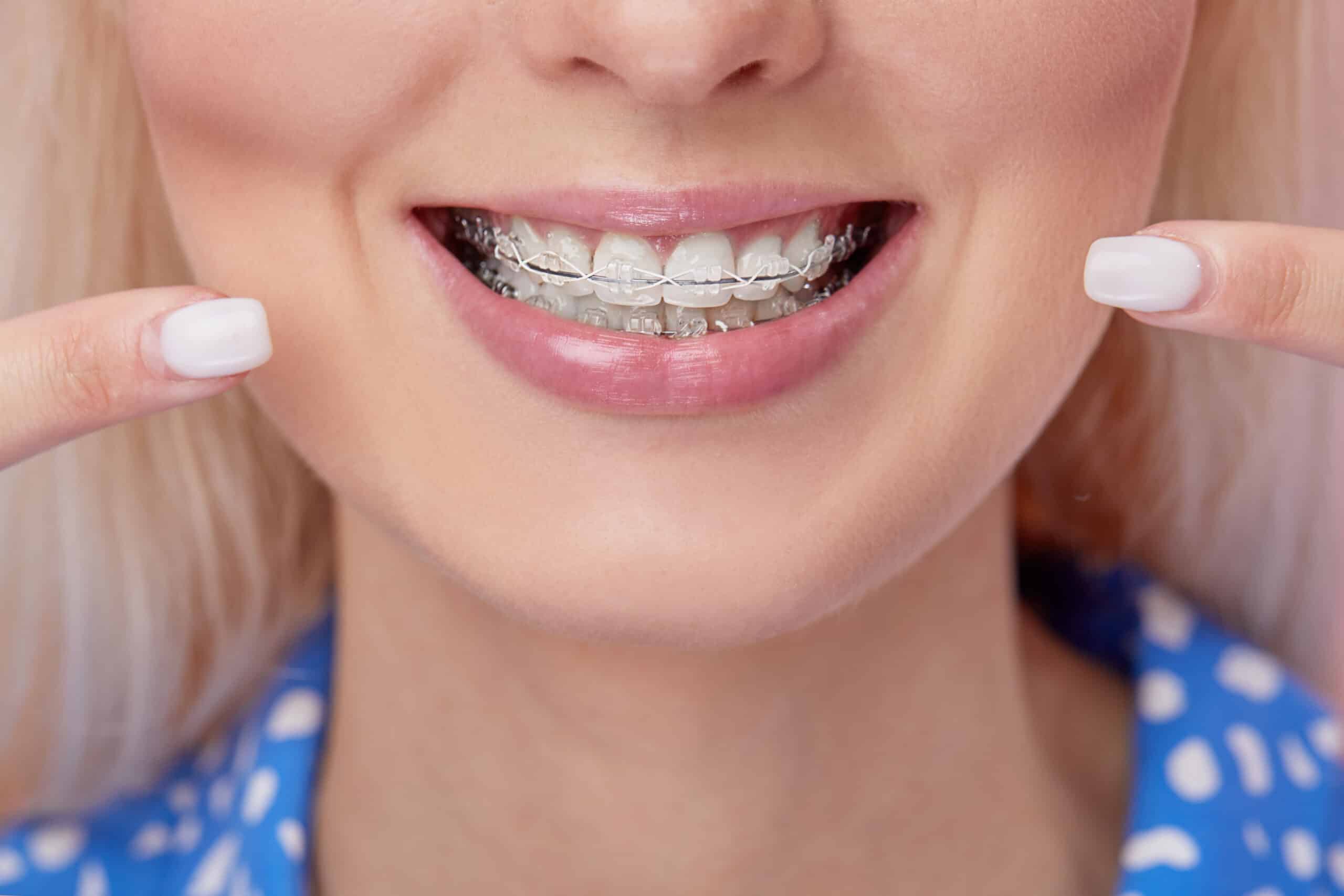
Traditional metal braces work well, but many children and adults would rather make orthodontic treatment less visible. Clear ceramic brackets became possible through a tough, translucent material called polycrystalline alumina. NASA and Ceradyne advanced the ceramic for aerospace and infrared applications requiring strength and transparency. Orthodontic companies later recognized that the same qualities could work in braces, where brackets must withstand daily pressure without standing out as much as metal. Unitek introduced a commercial ceramic system in the 1980s. These are fixed braces made with tooth-colored or translucent brackets, not removable clear aligners. Space-age materials gave families a more discreet option.
NASA Helped Lighten the Load for Firefighters
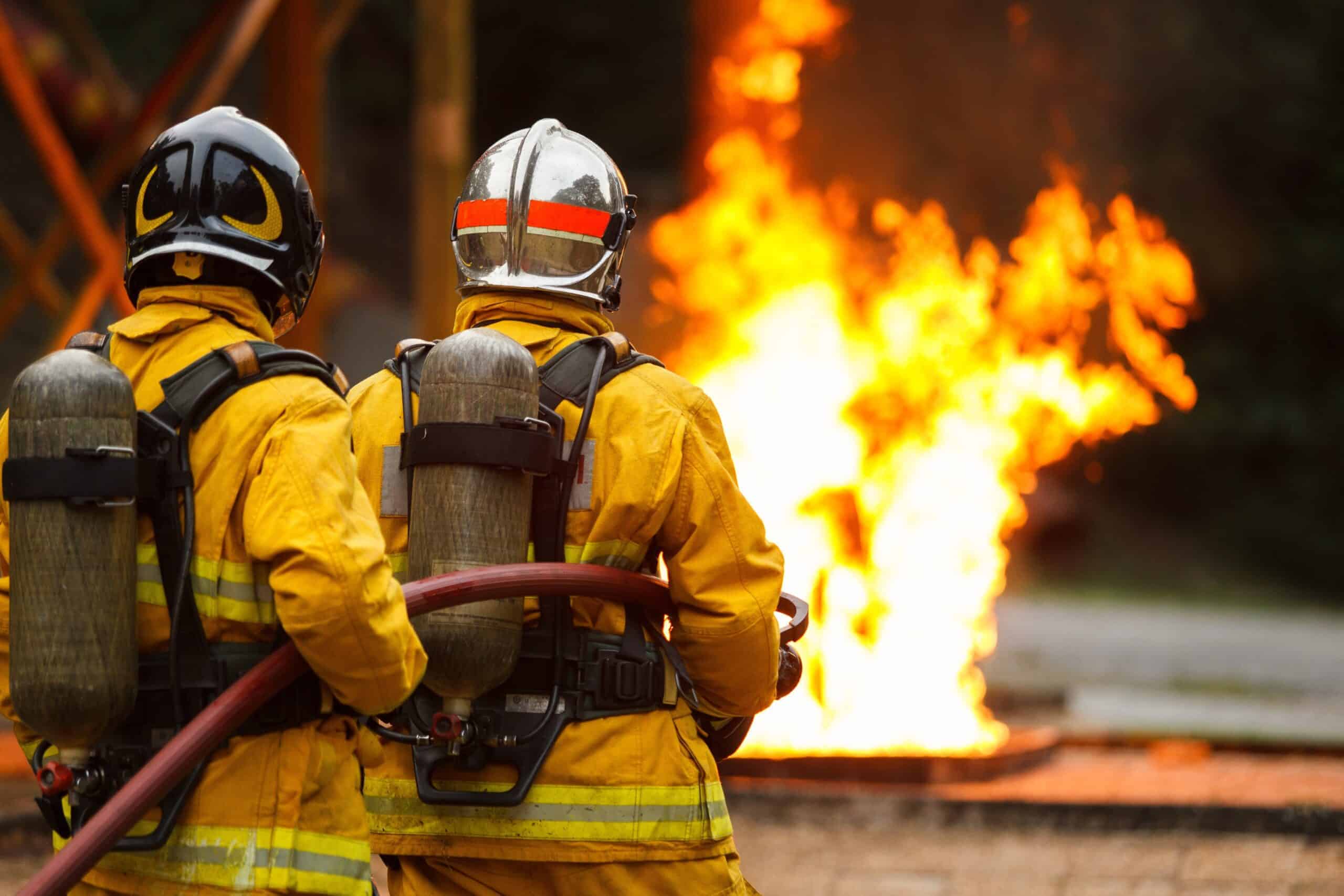
Firefighters carried breathing equipment long before the Space Race, but early systems could be so heavy and awkward that they limited movement during emergencies. NASA's experience building lightweight life-support equipment offered a useful starting point. Working with federal safety researchers and Scott Aviation, the agency helped develop an air tank, harness, face mask, and frame that reduced weight while maintaining a dependable air supply. Aerospace composite materials made the tank easier to carry through smoke-filled buildings. The result was not a household gadget, but it affects families in a more important way: space-program engineering helped first responders move more freely while protecting homes and communities.
Rainy Roads Became Safer With Runway Grooves
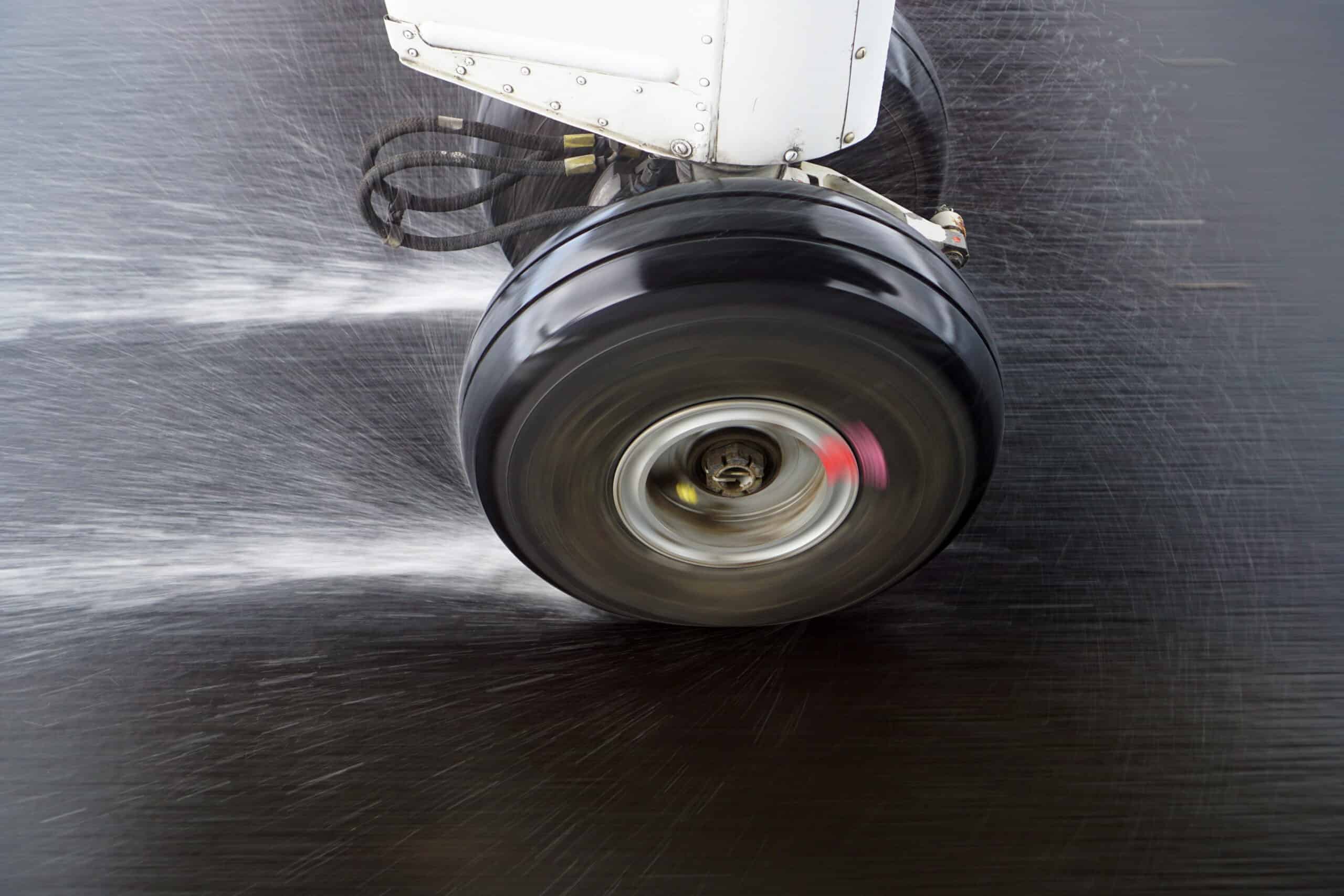
Those narrow grooves cut into some roads and bridges are easy to overlook, but they can make a major difference during heavy rain. In the 1960s, NASA researchers at Langley studied hydroplaning, which happens when a layer of water separates a tire from the pavement and reduces traction. Engineers found that cutting shallow, parallel grooves into concrete helped move water away from the tire and improve contact with the surface. The technique was adopted on airport runways and later expanded to highways, curves, and bridges where wet pavement created extra risk. Grooving cannot replace careful driving, but a solution developed for safer aircraft landings now adds protection to countless family trips.
Space Plant Research Improved Specialized LED Lighting
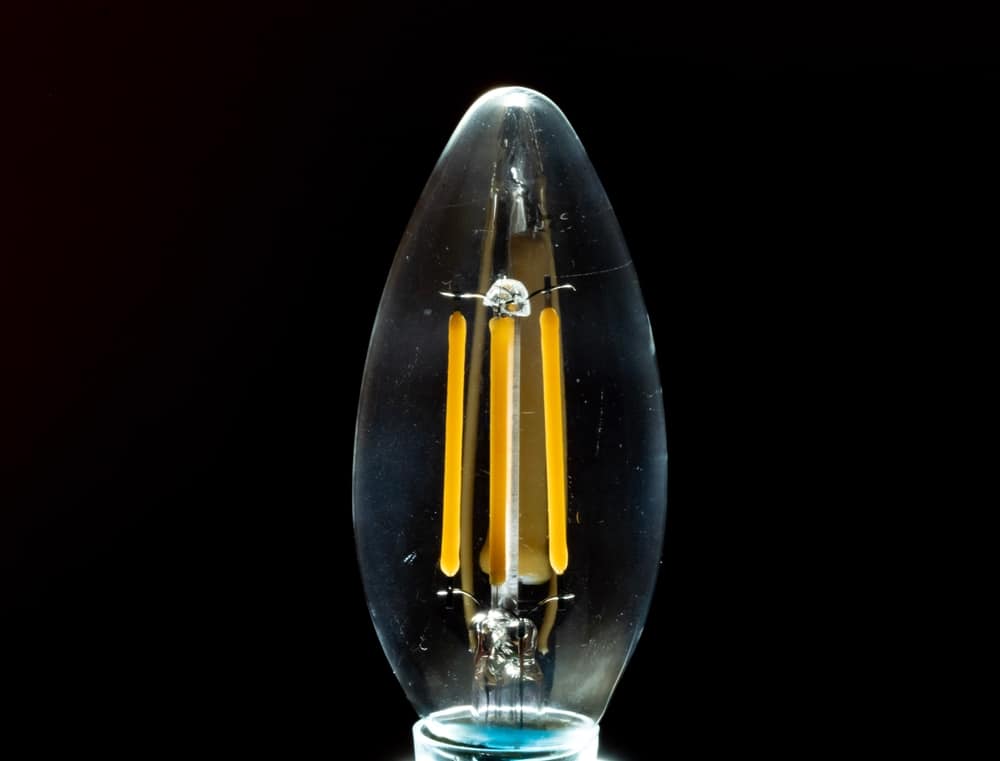
LEDs existed before NASA began studying how to grow food in space, so the agency cannot claim credit for the household bulb itself. NASA did help advance ways of using LEDs more precisely and efficiently. Plants on long missions would need light in specific wavelengths without the heat and high power demands of traditional lamps. Research into targeted LED systems helped growers direct useful light toward leaves while wasting less energy on empty space. Related work later influenced greenhouse systems, indoor farms, aquariums, medical devices, and lighting designed around sleep and alertness. The connection to the family-room lamp is indirect, but space research greatly expanded what efficient LEDs could do.
Moon Missions Made Cordless Tools More Efficient
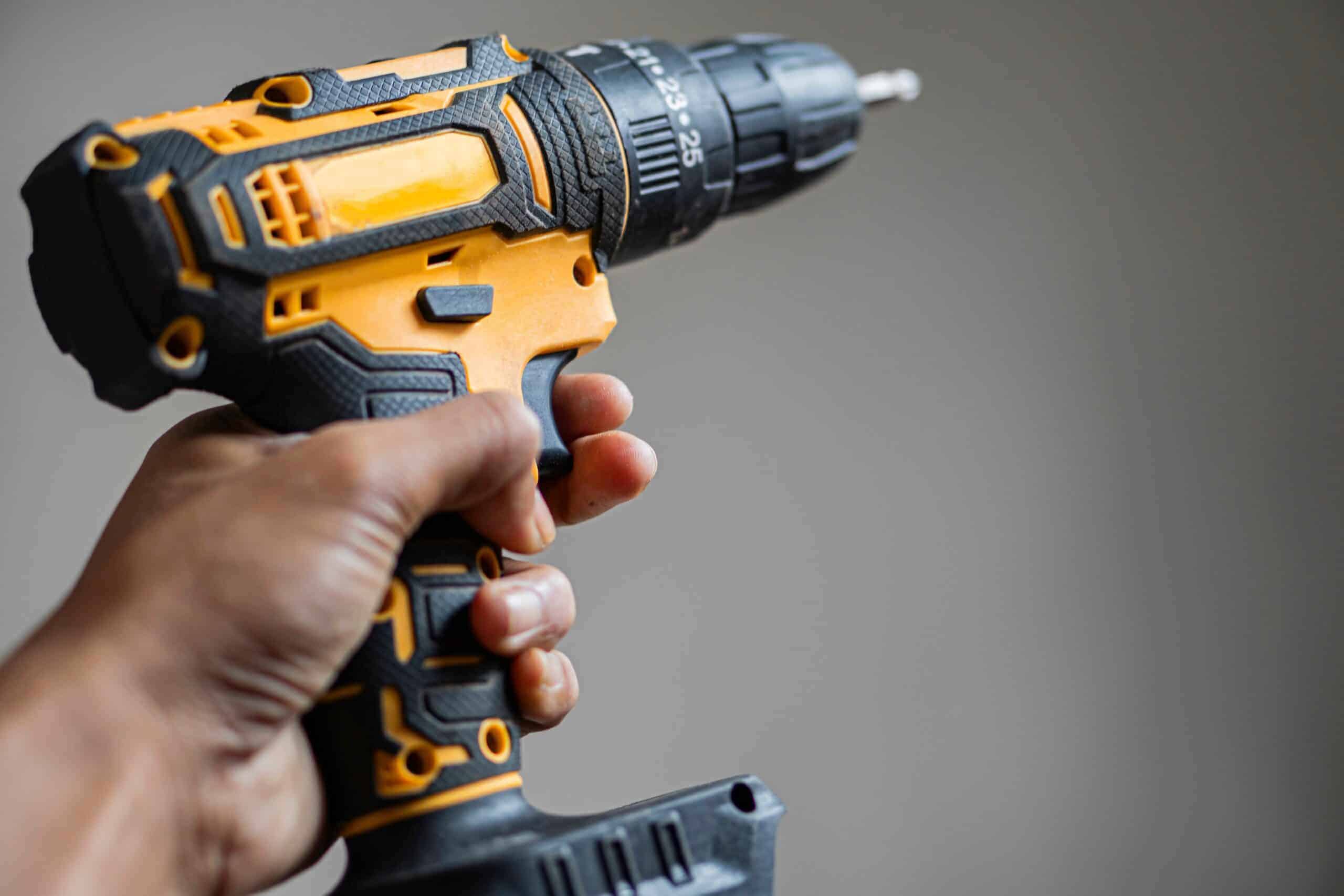
Cordless drills existed before Apollo, but working on the moon demanded a tool with unusual limits. Astronauts needed to collect samples without an outlet, an extension cord, or an oversized battery. NASA asked Black & Decker to help develop compact equipment that could deliver enough drilling power while conserving energy. The company used computer modeling to optimize the motor and reduce unnecessary power use. Lessons from that work carried into later cordless products, including drills, vacuums, and other tools used around the home. The space program did not invent the cordless-tool category, but it pushed the technology toward lighter, more efficient designs that families still rely on for repairs and projects.
The image featured at the top of this post is ©Budimir Jevtic/Shutterstock.com