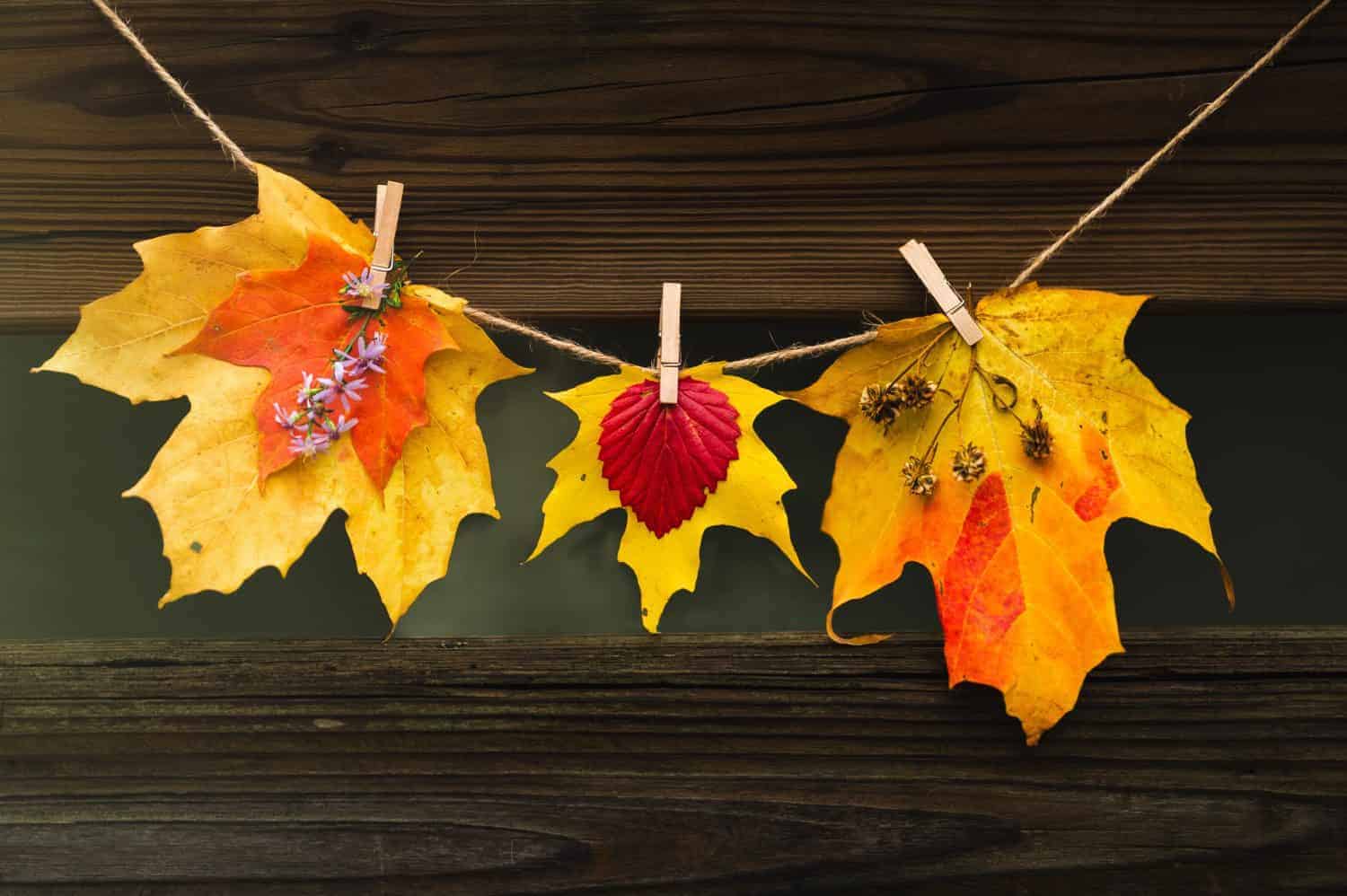
Across most of the United States, kids see deciduous trees changing colors every autumn. Many curious children want to know why leaves change color — and this isn't always easy to explain, especially for preschool-aged children who don't have much exposure to science yet!
In case you don't remember from your high school science class, we'll break this down in a way that makes it easy for you to explain to your children.
Leaves Start Out Green Because of Chlorophyll

©Trong Nguyen/Shutterstock.com
Why are leaves green to begin with? They all contain a pigment called chlorophyll. This substance helps plants turn light into food through the process called photosynthesis. Chlorophyll converts the energy from the sun into sugars, which are absorbed by the tree (or other plant).
In the Fall, Plants Don't Need as Much Energy
As fall begins, the days start to get shorter and trees aren't exposed to sunlight for as long each day. Deciduous trees (which have leaves instead of needles like evergreen trees) hibernate during the winter. You can explain this to kids as a period of dormancy, or not growing as much. This means the plant doesn't need as much energy as it did during the spring and summer.
The shortening daylight is a signal to the plant that winter is coming, so it doesn't need to make as much fuel for itself as it did when it was growing more. The tree stops producing chlorophyll to save energy for its slow season in the winter.
Other Colors Are No Longer Covered Up By Green
Green is the dominant color on most trees, but after the chlorophyll fades away, you can see different colors in different trees. Some species of trees have more xanthophyll, which creates a yellow color. These include elms, willows, hickories, ginkgos, and ash trees.
Others have a lot of carotene, which is orange or gold. You can see this in aspens, birches, poplars, and cottonwoods. Red leaves come from anthocyanin, which is commonly found in maples, oaks, dogwoods, and sumacs. Chicago Botanic Garden has a fun coloring sheet where kids can find different shapes of leaves and color them in to match!
Leaves Are Sealed Off From the Tree and Turn Brown
©J_Koneva/Shutterstock.com
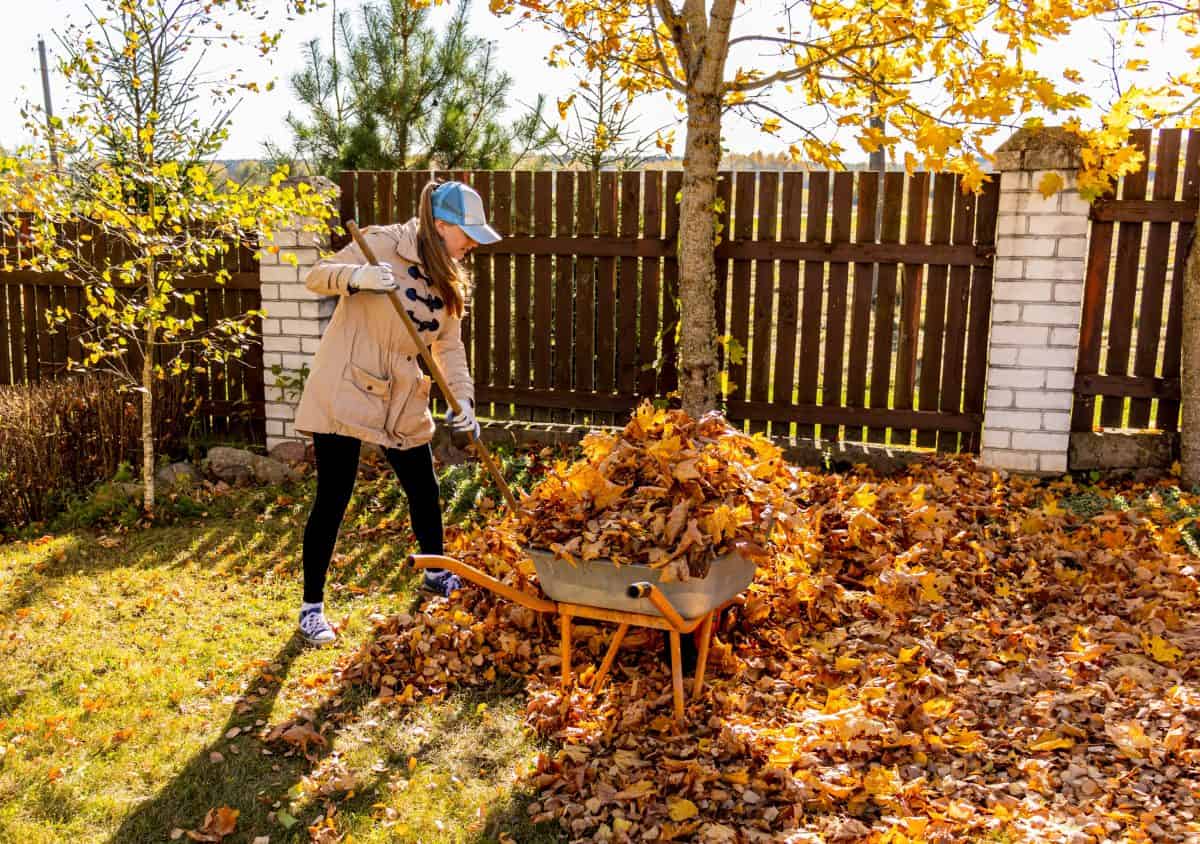
Once the tree has absorbed all of the nutrients it can from the leaves, it starts to seal the leaves off from the tree. The leaves would not survive the winter, and if they do not fall off, they can leave the tree vulnerable to damage. Once the leaves aren't getting any more moisture from the rest of the tree, they turn brown, shrivel up, and fall off. The leaves are brown because there are no pigments left.
Where Can You See the Best Leaves Changing Colors?
Check out our guide to family-friendly leaf-peeping destinations across the country! Leaves change colors earlier in northern climates, where the days get shorter earlier in the year than in southern regions. You can start to see changes as early as mid-September in some areas near the Canadian border. There are also places like Florida and Southern California where leaves don't change color at all.
Can You Keep an Interesting Colored Leaf?
©Margaret M Stewart/Shutterstock.com
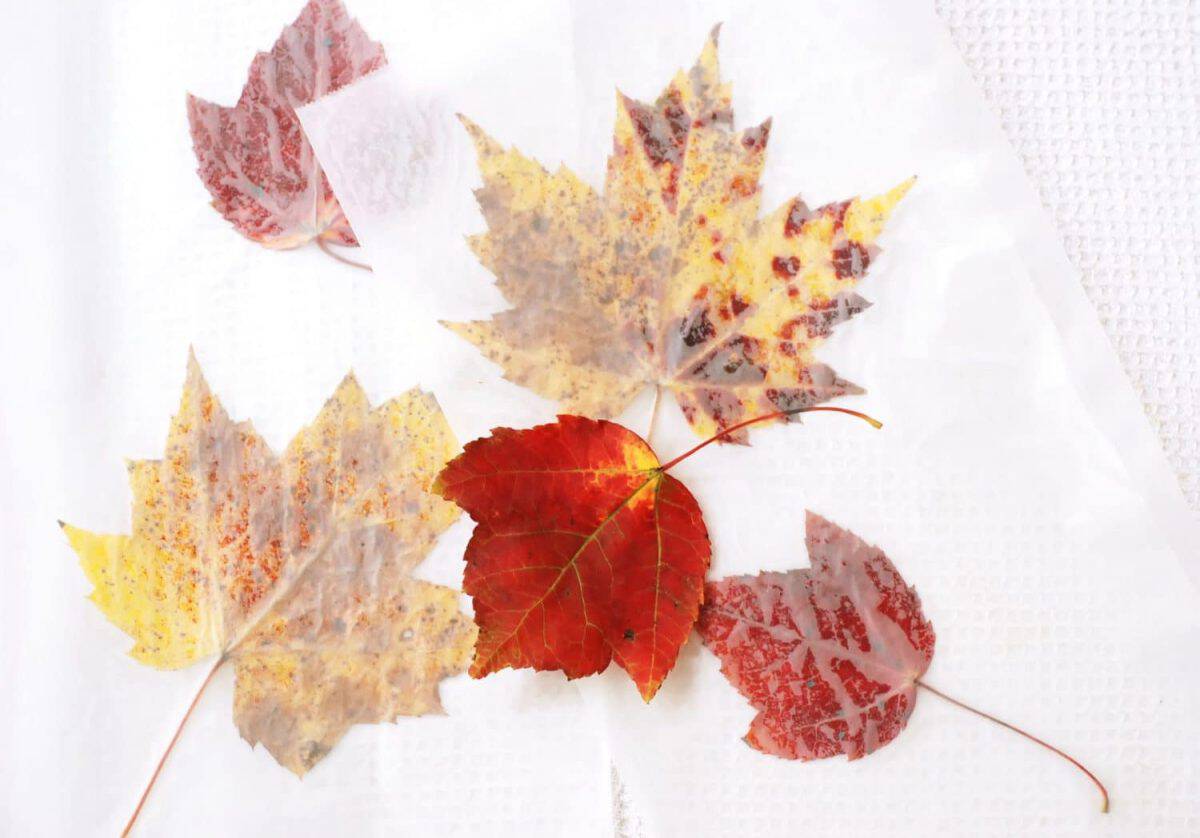
If you find a leaf that is an interesting color, try ironing it between two sheets of waxed paper or pressing it between two sheets of contact paper. This will keep the leaf sealed, and it should stay your favorite shade of yellow, red, or orange all year round. Kids may also enjoy finding an interesting-shaped leaf and using a fall-colored crayon to rub its impression onto a sheet of white paper.
The image featured at the top of this post is ©Christine Dannhausen-Brun/Shutterstock.com