If you're like me, you've probably asked yourself the same question at least once, and that's “How can I sneak more veggies into my family's meals?” It's a tough question, and the battle constantly rages around the dinner table. You've tried to convince your kids that vegetables are tasty and good for them, but they're just not buying it.
The fact is that everyone in your family must eat their vegetables. Broccoli, carrots, and kale are all packed with vitamins, minerals, and nutrients essential for growing bodies. In this guide, we'll tell you the importance of veggies, which vegetables pack the most health benefits, and how you can sneak them into your dishes so that your family not only eats them but truly loves them!
Why You Need to Sneak More Veggies Into Your Family’s Meals

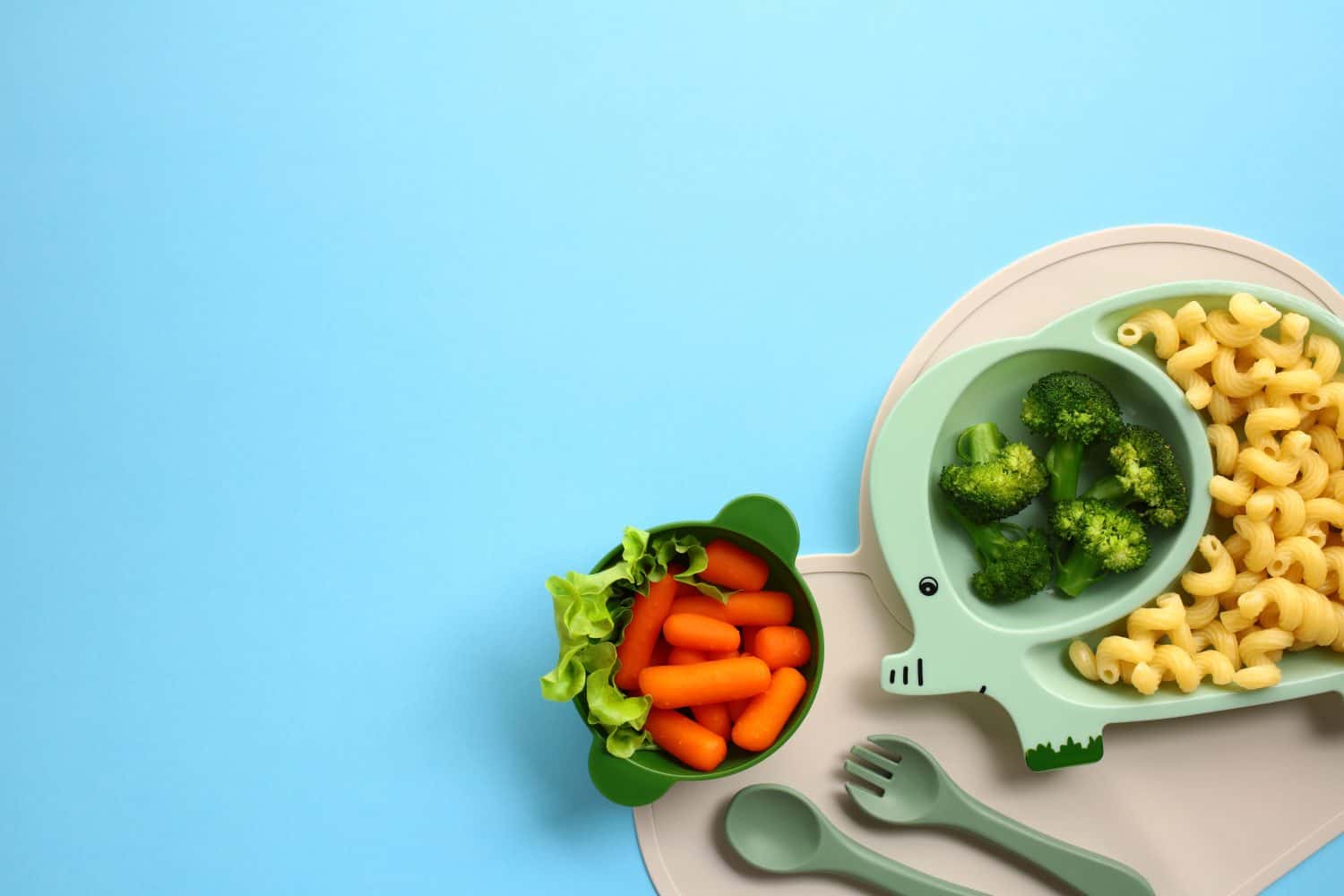
Every meal should include a vegetable so your family can reap the incredible health benefits.
©Inside Creative House/Shutterstock.com
It's essential that you provide your family with a balanced diet. Eating fruit and vegetables alongside protein is important so everyone can grow big and strong.
Veggies are loaded with essential nutrients and minerals, such as magnesium and potassium. All of these minerals help with your overall health, including your bone health, energy levels, and your immune system. A healthy diet also provides the vitamins everyone needs to thrive, including C, K, A, and folate. The fiber that many vegetables contain aids in a healthy digestive system that can prevent constipation, support a healthy weight, and help you to feel fuller for longer.
Eating a variety of vegetables can also help kids and adults fight off diseases that can occur later in life. The antioxidants they contain can keep your immune system strong to potentially prevent serious diseases, like cancer, diabetes, and heart disease.
To get the best benefits, focus on the healthiest vegetables:
- Broccoli – Loaded with vitamin C, K, fiber, and antioxidants for a healthy immune system.
- Spinach – High in iron, calcium, folate, and vitamin A for healthy eyes and bones.
- Carrots – Rich in beta-carotene, which your body turns into vitamin A for healthy eyes and skin.
- Kale – Packed with vitamins A, C, and K, plus antioxidants that reduce inflammation.
- Garlic – Contains allicin, a compound linked to heart health and immune support.
- Brussels Sprouts – Full of fiber, vitamin K, and folate.
- Sweet Potatoes – Excellent source of vitamin A, potassium, and fiber.
- Cabbage – Contains vitamin C, K, and probiotics for gut health.
- Onions – Packed with antioxidants and anti-inflammatory compounds that can help with heart health and blood sugar control.
Believe it or not, some vegetables are not quite so healthy, such as:
- Deep-fried vegetables – Frying them adds fat, calories, and salt.
- Some canned vegetables – Buying canned vegetables isn’t necessarily a bad thing. However, check them for excess salt or additives.
- Vegetables covered in excess sauce – The saturated fat outweighs the healthy nutrients.
- Pickled vegetables – The process adds more sugar and salt to the meal.
- Starchy vegetables – Corn, potatoes, and peas can be good, but they contain more calories and carbs than the other vegetables.
In the end, if you try to present a healthy balance of different vegetables, you'll be okay. The trick is getting your kids to eat them.
How to Sneak More Veggies Into Your Family’s Meals

A blender can be your best friend when it comes to hiding vegetables in various meals.
©wavebreakmedia/Shutterstock.com
While vegetables are pretty tasty, don’t be surprised when your kids say that they want to have fewer veggies on their plate. There are many reasons why kids try to avoid eating them, from the texture to the appearance of many vegetables. However, scientists believe that the real reason is that our brains are wired to try to avoid bitter foods, and many vegetables fit the bill. Despite this, eating veggies is important, so you need to add them to most meals. Here are a few tricks to do just that:
Blend Veggies Into Smoothies
Make breakfast or snack time tastier by blending numerous veggies into a tasty smoothie. Kale, spinach, carrots, and cauliflower all make for tasty and healthy beverages. Mix bananas, berries, and other fruit into the beverage to mask the color and taste of the mixed vegetables. A green smoothie or carrot smoothie is a great option.

©George Dolgikh/Shutterstock.com
Mix Vegetables into Soups
Another way to sneak more veggies into your family’s meals is to mix them into various soups. You’d be amazed at how tasty a zucchini, spinach, or pureed carrot soup tastes, and it often makes for a quick dinner. During preparation, blend the vegetables to keep the textures smooth and add ingredients like cheese or tomatoes to enhance the dish.
Bake Them Into Muffins, Pancakes, or Bread
Puree or shred vegetables, like pumpkin, carrots, zucchini, and sweet potatoes, into muffins, cookies, and other scrumptious baked goods. Whatever you use, the veggies will add flavor, moisture, and nutrients, and your kids may not even realize that they're there. Banana bread, zucchini muffins, and pumpkin pancakes are just a few of the tasty options.

©V. Matthiesen/Shutterstock.com
Beef Up Current Family Favorites
A great way to sneak more veggies into your family's meals is to combine them into foods that your kids already love. Simple ideas include adding chopped family vegetables into lasagna or onto pizza. Another easy option is to add onions and peppers to tacos.
Swap Out Components of a Dish
Sometimes, your kids fight back when you serve them veggies because you give them too much at once. Instead, try slowly swapping out ingredients. So, instead of using traditional noodles in your lasagna, add in zucchini noodles or mix mashed cauliflower into mashed potatoes. Your kids may be surprised at how much they enjoy the meal.
Another option is to swap out ingredients to maximize the veggie saturation. For instance, you can swap out unhealthy hamburger buns with perfectly seasoned portobello mushrooms or use lettuce wraps instead of tortillas on taco night.
Mix Veggies Into Your Meat
Bring your next hamburger or meatball dish to the next level by incorporating veggies. Chopped onions, spinach, and mushrooms all mix well into ground meat. Plus, the vegetables add flavor and moisture while also cutting down on the fat.
Blend Vegetables into Casseroles
Your blender is your friend when it comes to sneaking more veggies into your family’s meals because you can get them in there without the kids even noticing. Use the blender to add veggies like cauliflower, pumpkin, and squash into the cheese sauce of your favorite casserole or macaroni and cheese dish. The creamy texture is so good that your family will be none the wiser.
Add Veggies to Breakfast
Another tasty way to add more veggies is to mix them in with breakfast. Omelets, scrambled eggs, and breakfast burritos are amazing with some onions, peppers, or carrots added into the mix. Or, take breakfast to the next level by serving vegetable-infused quesadillas or tomato-and-spinach egg muffins.
Combine Veggies with Dips
A tasty idea that everyone will agree on is cutting vegetables into finger foods that you can enjoy with healthy dips. Bell peppers, cucumbers, carrots, celery, and cherry tomatoes all go great with dip. Keep it healthy by serving hummus or yogurt-based dips. Even a bit of ranch is okay in moderation. Your kids will love digging into the visual delights of your colorful rainbow veggie platter.
You can also try giving veggies and chips every night as an appetizer before the main meal. This will build anticipation for the entree. Plus, you’ll have an answer when the kids claim they’re starving before dinner is ready.
©Marie C Fields/Shutterstock.com
Cut Veggies Into Tasty Shapes
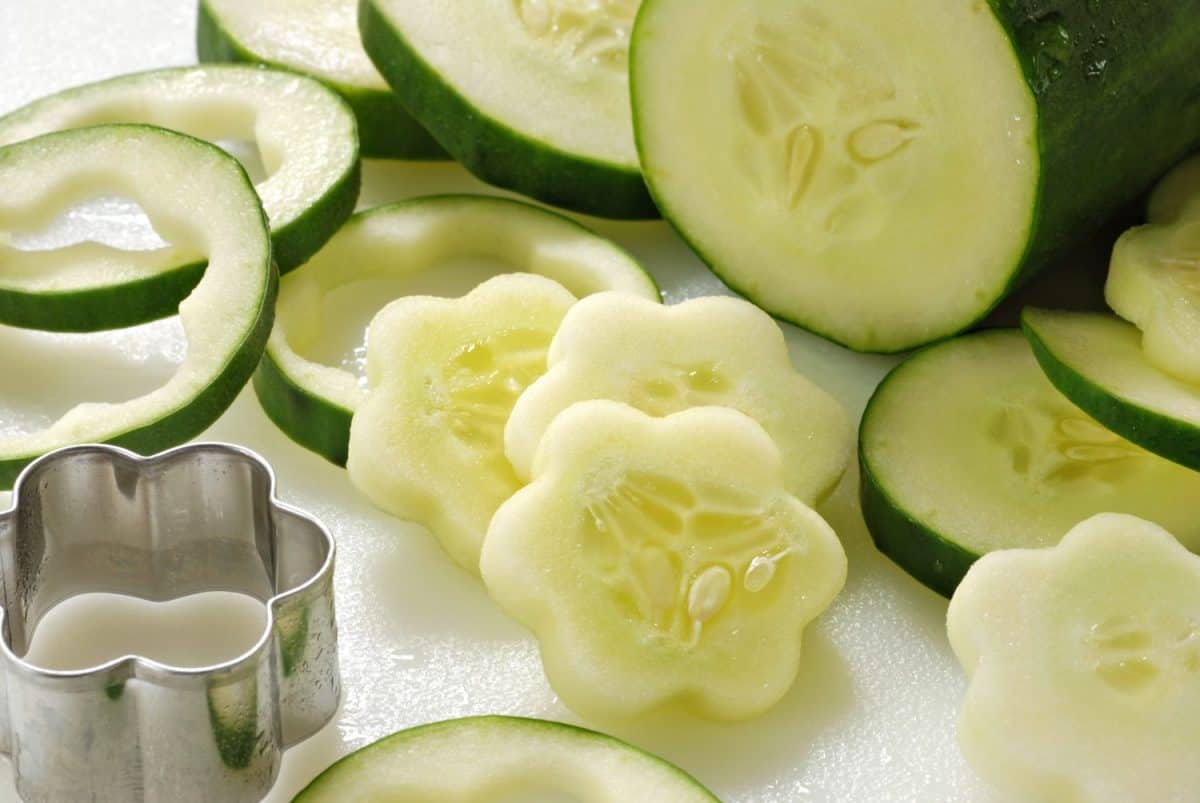
Make larger and flatter vegetables like peppers and spinach into fun shapes to make them more enjoyable for the kids. Use a cookie cutter or safely use your creative skills by using a knife, then present the veggies as a fun scene on your kid's plate. Another fun idea is to make vegetable skewers that also include meat and cheese. That's a dish the whole family can enjoy.
Add More Veggies to Current Dishes
A strategy I often try is to have at least one dinner per week be a “vegetable dinner.” This is a meal that includes many vegetables. I schedule it for a certain night of the week so the kids can mentally prepare. Or if you have a specific meal that your kids know includes some vegetables, use the opportunity to add even more vegetables that night. Instead of one cup of veggies, toss in two, so everyone gets the nutrients they need.
Combine Vegetables With Sauces and Spreads
Finally, a foolproof way to sneak more veggies into your family's meals is to mix them into your condiments. One of the tastiest ways to do so is to mix red peppers into hummus. You can never go wrong. Other people enjoy adding avocado or spinach to pesto or blending cauliflower into ranch dressing. You can look up other recipes online or come up with your own creation.
Everyone Wins When You Add Vegetables!
If you have young kids who are picky eaters, try one or more of these tasty, sneaky ways to get more veggies into their diet. They may fuss now, but they'll be thrilled when they grow up big and strong, and your health will improve as well.
The image featured at the top of this post is ©Savanevich Viktar/Shutterstock.com