
There is a special kind of disappointment that happens when a song you once loved becomes impossible to escape. At first, you turn it up in the car, add it to every playlist, and tell friends they have to hear it. Then it follows you into grocery stores, commercials, school events, weddings, sporting arenas, and every waiting room with a radio. Eventually, those familiar opening notes make you reach for the skip button. Most of these songs became overplayed because they were genuinely great, catchy, emotional, or perfect for bringing a crowd together. Unfortunately, even a classic can lose some of its magic after the thousandth listen. These 15 hits went from beloved favorites to songs many listeners needed a very long break from.
“Don't Stop Believin'” Became the Default Singalong
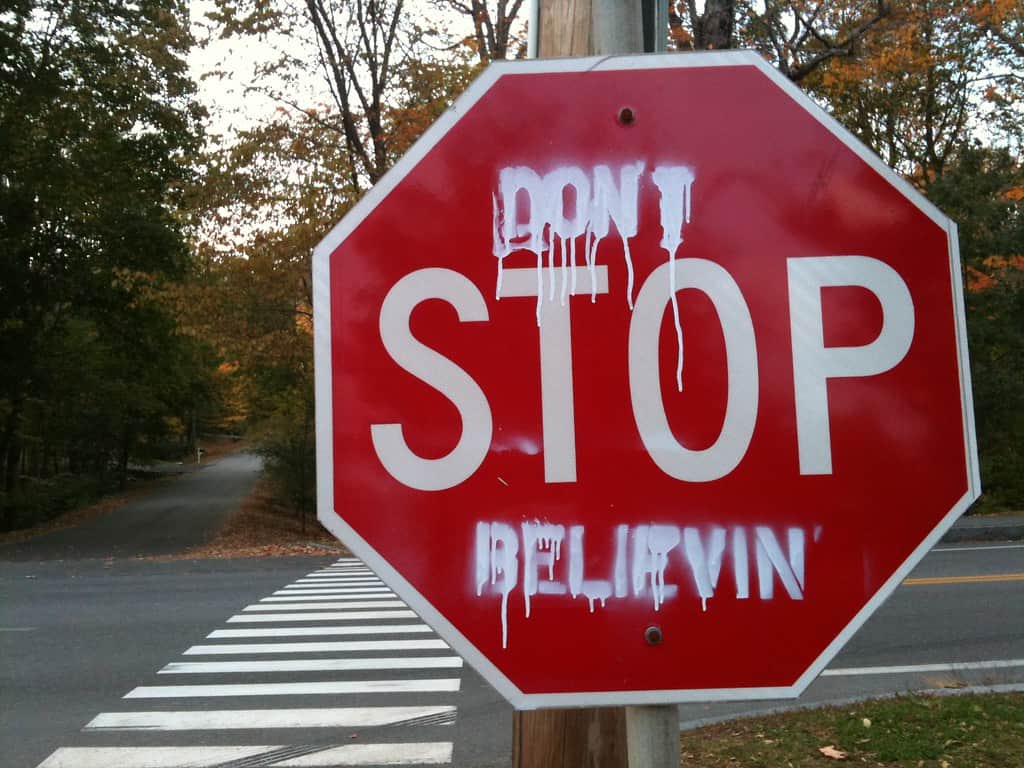
Journey's “Don't Stop Believin'” already felt enormous when it arrived in 1981. Its hopeful story, soaring chorus, and unforgettable piano opening made it perfect for anyone dreaming about a fresh start. After years as a classic-rock favorite, the song exploded again during the 2000s, helped by television appearances and its unforgettable use in the 2007 finale of The Sopranos. Soon, every karaoke bar, wedding DJ, graduation ceremony, and sports arena treated it as the only possible group singalong. The song still has the power to fill a room, but its return never really ended. For listeners who remember enjoying it before it became mandatory, those opening piano notes can now sound less like inspiration and more like a warning.
“Bohemian Rhapsody” Was Rediscovered Too Many Times
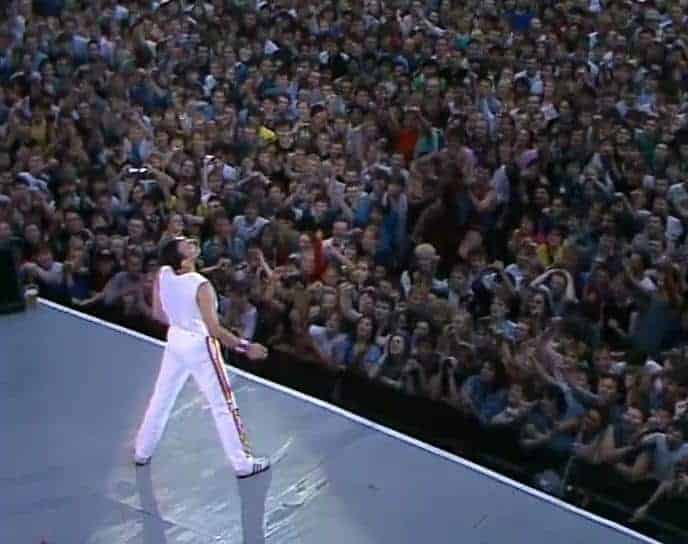
Queen's “Bohemian Rhapsody” was unlike almost anything else on the radio in 1975. It moved from piano ballad to mock opera to roaring hard rock, all within six minutes, and Freddie Mercury sold every strange turn. The song found a huge new audience after Wayne's World in 1992, then received another revival when the Queen biopic arrived in 2018. Movies, commercials, talent shows, sports clips, and classic-rock stations kept returning to the same track as if Queen had recorded nothing else. “Bohemian Rhapsody” remains brilliant, but sometimes even devoted fans would rather hear “Somebody to Love,” “Don't Stop Me Now,” or almost any other Queen song.
Classic Rock Radio Wore Out “Hotel California”
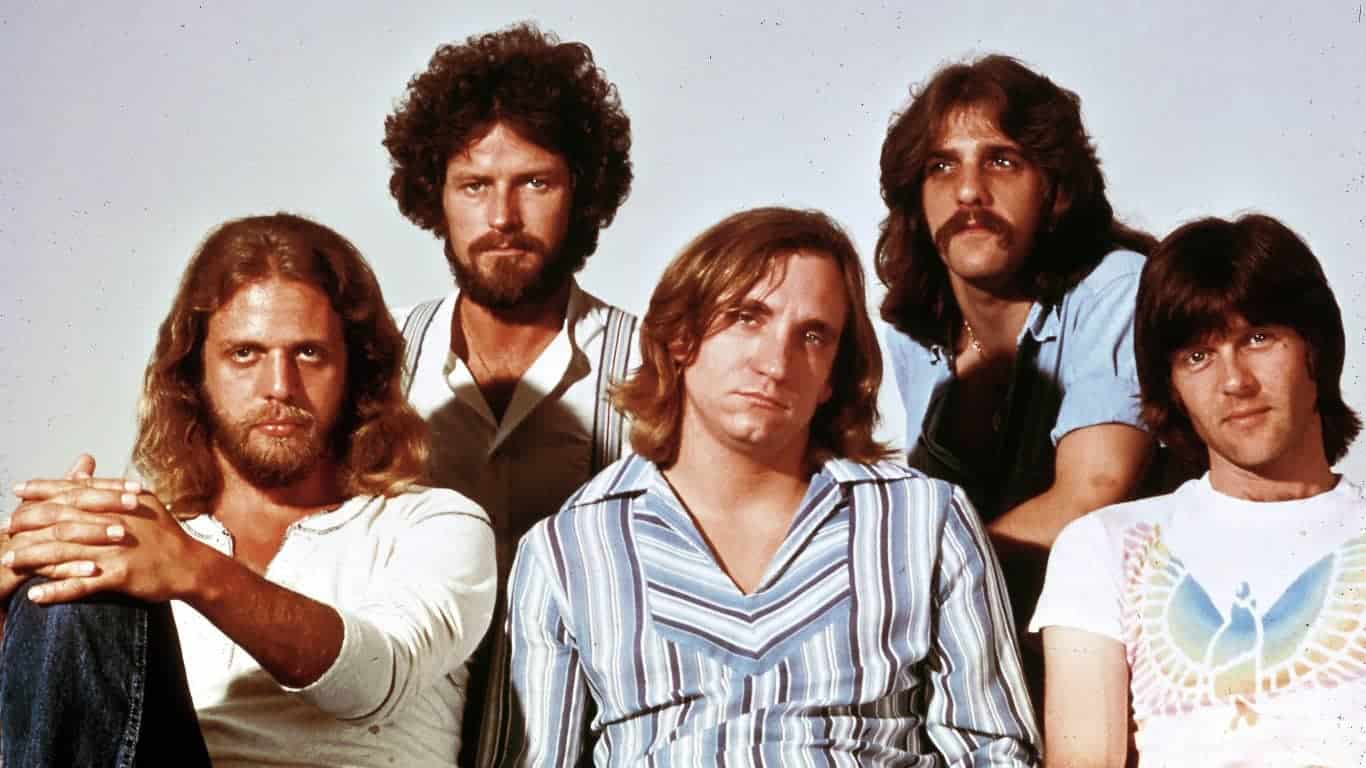
“Hotel California” once sounded mysterious, unsettling, and a little dangerous. The Eagles created a polished nightmare filled with strange imagery, shadowy characters, and a guitar finale that seemed to stretch into the desert night. For younger listeners hearing it from the backseat during a late drive, the song felt like a story adults understood but children did not. Classic-rock radio gradually drained away some of that mystery by playing it relentlessly for decades. The track became background music in stores, offices, restaurants, and waiting rooms instead of an eerie listening experience. Its craftsmanship has not changed, but repetition has.
“More Than a Feeling” Never Left the Radio
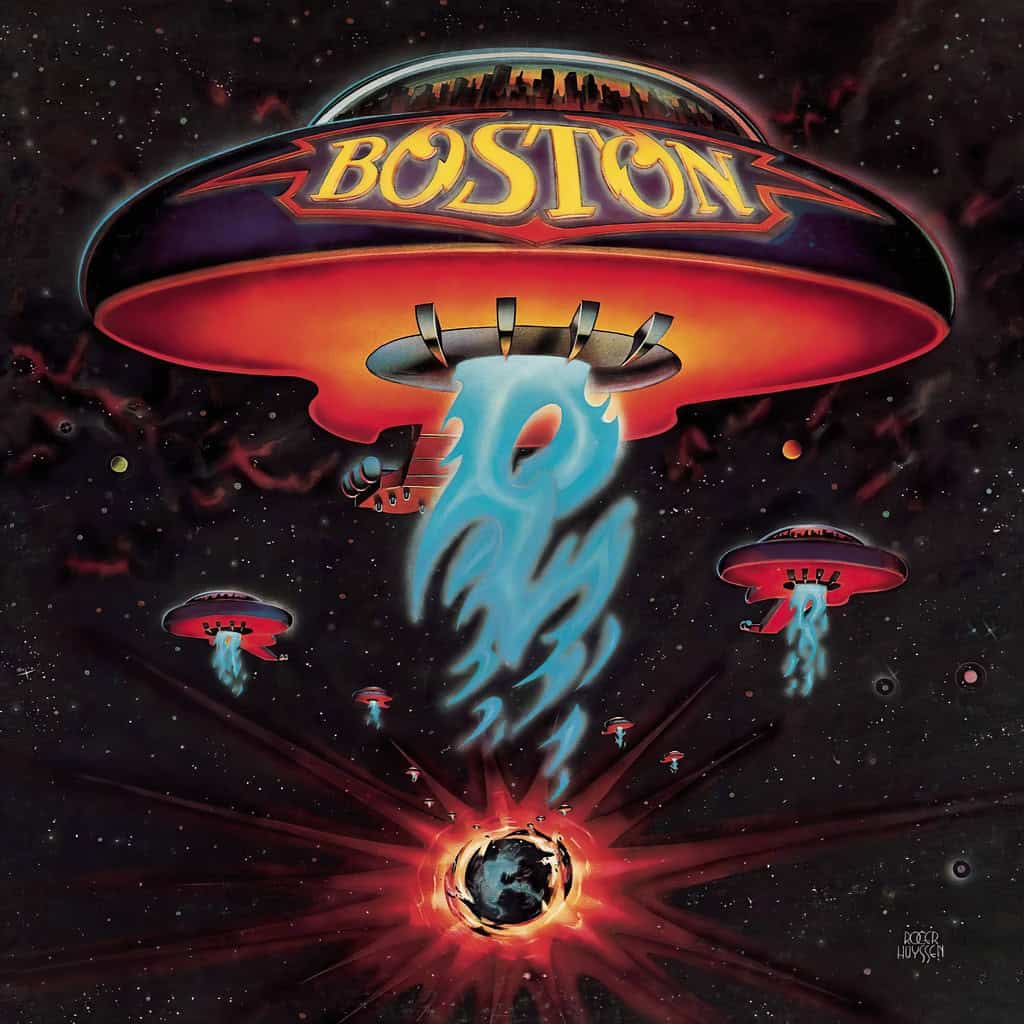
Boston's “More Than a Feeling” arrived in 1976 sounding almost impossibly polished. Its shimmering guitars, layered harmonies, and soaring chorus could fill a car, a living room, or an entire arena. For many families, the song became attached to summer cookouts, Saturday cleaning, long drives, and radios playing in the garage. That instant familiarity made it a permanent favorite for classic-rock stations, which also meant listeners rarely had a chance to miss it. Decades of constant rotation slowly transformed the track from an emotional rush into something closer to dependable background noise. The song still contains everything that made it exceptional, but nostalgia works better with a little distance.
Titanic Made “My Heart Will Go On” Inescapable

In 1997, “My Heart Will Go On” was not simply a hit song. It carried every tear, romance, and tragedy audiences associated with Titanic. Celine Dion's tremendous voice made the ballad feel enormous, while the movie's success guaranteed that nearly everyone recognized it within seconds. The song poured from radios, music television, talent shows, award broadcasts, department stores, and sentimental montages. What initially felt sweeping and emotional soon followed people into places where shipwreck-level heartbreak seemed wildly unnecessary. Dion's performance remains remarkable, and the song fits the film perfectly. Still, there is only so much dramatic flute and soaring romance anyone can absorb while shopping for groceries.
Every Beginner Guitarist Learned “Wonderwall”
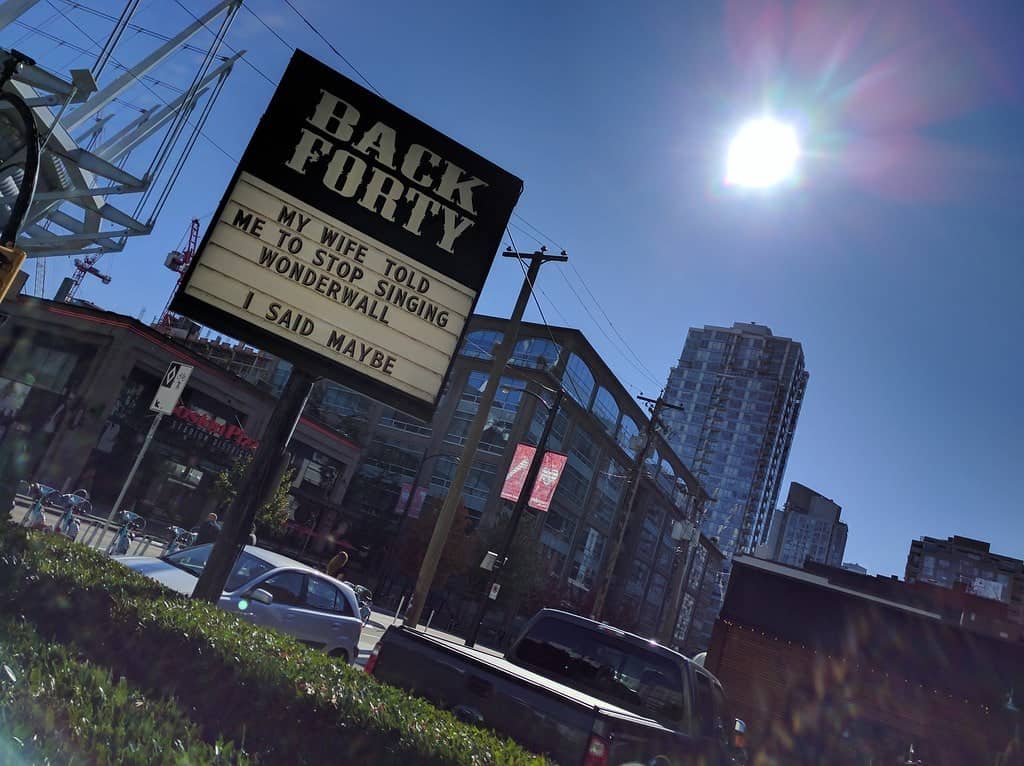
Oasis released “Wonderwall” in 1995, and its moody warmth immediately connected with listeners. The simple acoustic arrangement sounded intimate, while Liam Gallagher's unmistakable voice gave the song just enough attitude to keep it from becoming overly sweet. Unfortunately, those approachable chords also made “Wonderwall” irresistible to new guitar players. It soon became a fixture in dorm rooms, backyard gatherings, open-mic nights, and parties where someone always seemed eager to perform a rough version. Years of shaky covers changed the song's reputation, turning a heartfelt Britpop classic into a punch line before the first chord was played.
“Stairway to Heaven” Became Required Listening
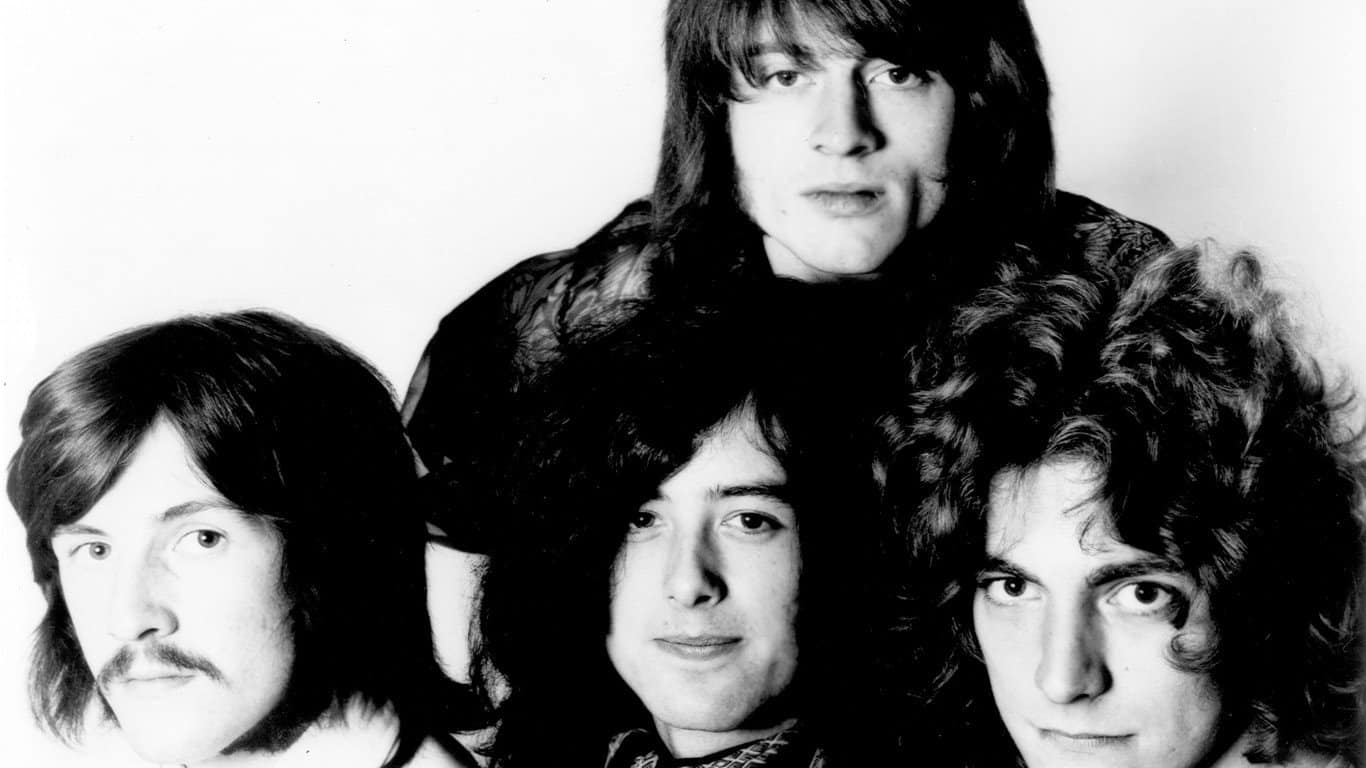
Led Zeppelin's “Stairway to Heaven” earned its legendary status through a slow build that moves from delicate folk music to one of rock's most famous guitar solos. Older siblings, serious record collectors, and classic-rock DJs treated the song as something younger listeners needed to experience properly, preferably without talking. By the time Wayne's World joked about banning it in guitar shops, countless beginners had already tested the patience of employees with its opening notes. Radio stations, talent shows, and “greatest songs” countdowns added even more exposure. A track that once felt like a musical journey began to feel like an assignment.
“Sweet Home Alabama” Became a Southern Shortcut
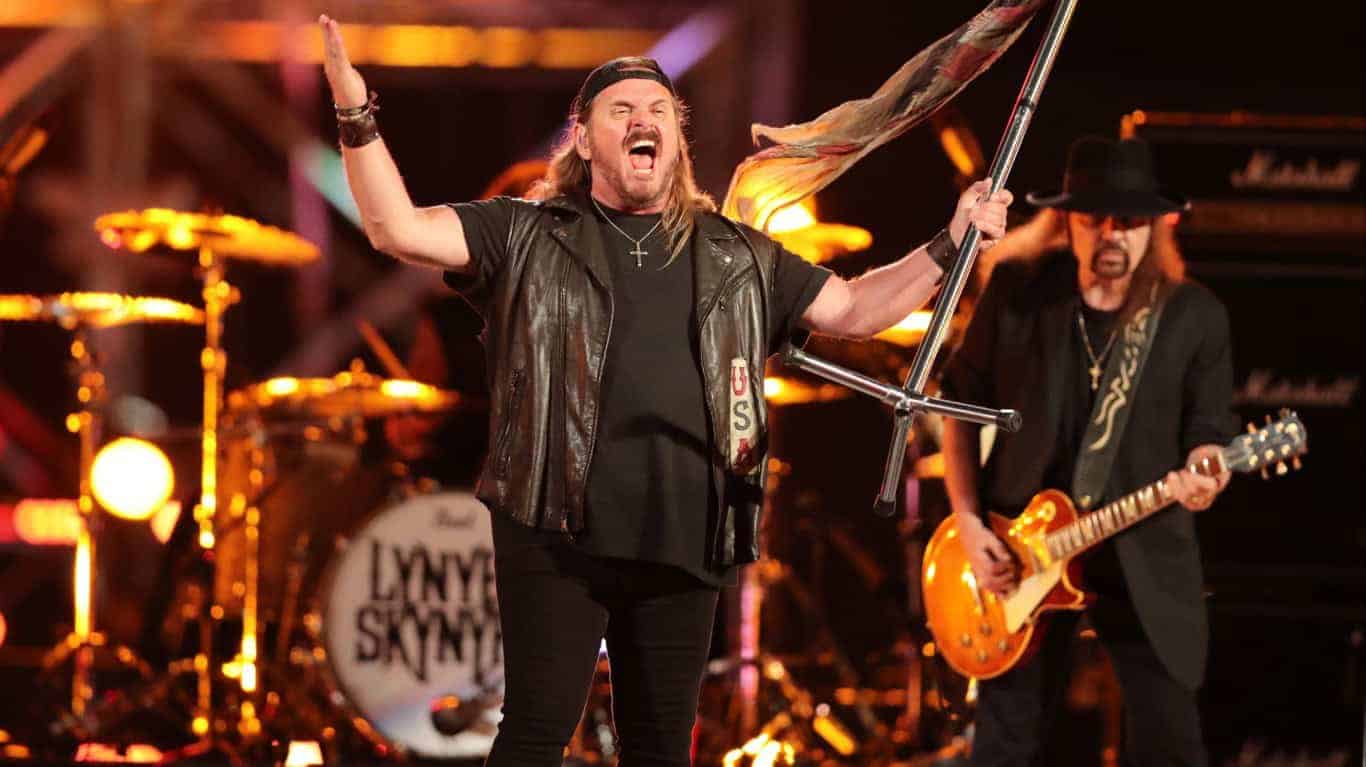
Lynyrd Skynyrd's “Sweet Home Alabama” can instantly bring back images of summer heat, road trips, backyard parties, and someone reaching to turn up the car radio. Beneath its famous riff, the 1974 song also contains a complicated response to Neil Young's criticism of the South. Popular culture eventually stripped away much of that context and used the track as a three-second signal for anything Southern. Commercials, movies, television shows, sports events, and party playlists reached for it so often that the song became a regional stereotype instead of a specific piece of music. It remains catchy enough to start a singalong, but one song was never meant to represent half the country.
Every Event DJ Discovered “Uptown Funk”
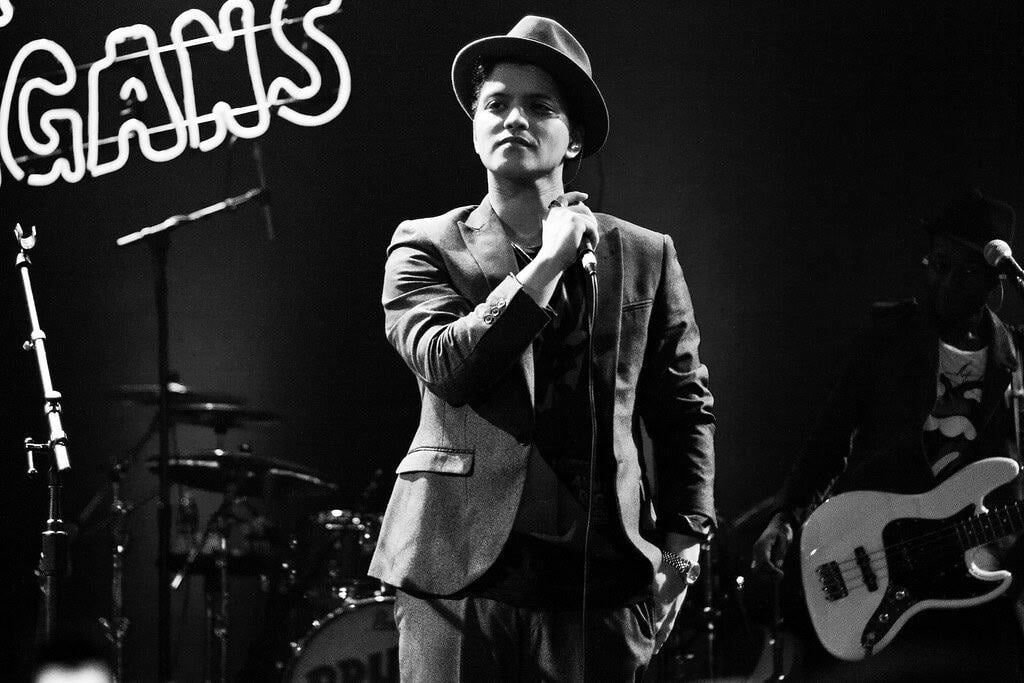
“Uptown Funk” felt irresistible when Mark Ronson and Bruno Mars released it in 2014. The song combined a throwback groove, huge personality, and just enough swagger to make people stop what they were doing and dance. Then nearly every event planner discovered it at once. Wedding receptions, school fundraisers, gym classes, corporate parties, sporting arenas, television programs, and commercials all used the same track whenever a room needed instant energy. Its greatest strength became the reason it burned out so quickly. Unlike older classics that took decades to exhaust listeners, “Uptown Funk” accomplished the job in only a few years.
“Hey Jude” Has an Outro That Never Ends
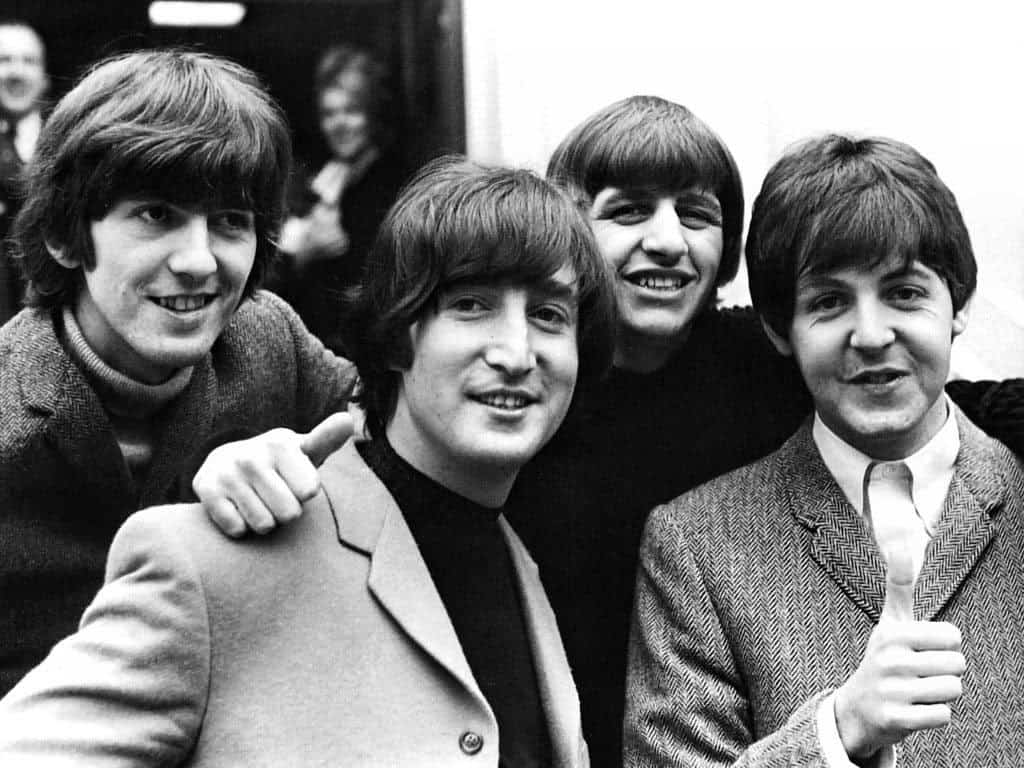
“Hey Jude” has the warmth of a song that seems to have existed forever. Paul McCartney begins with a gentle message of reassurance, then gradually turns it into a communal anthem that entire stadiums can sing together. For families who grew up with Beatles records, oldies stations, and long car rides, the melody may be attached to decades of happy memories. The challenge is that the song lasts more than seven minutes, with its famous “na-na-na” refrain occupying nearly half the running time. That extended ending can feel magical in a concert crowd and endless when someone is sitting in traffic or waiting for the radio host to return.
“Ice Ice Baby” Became a '90s Punch Line
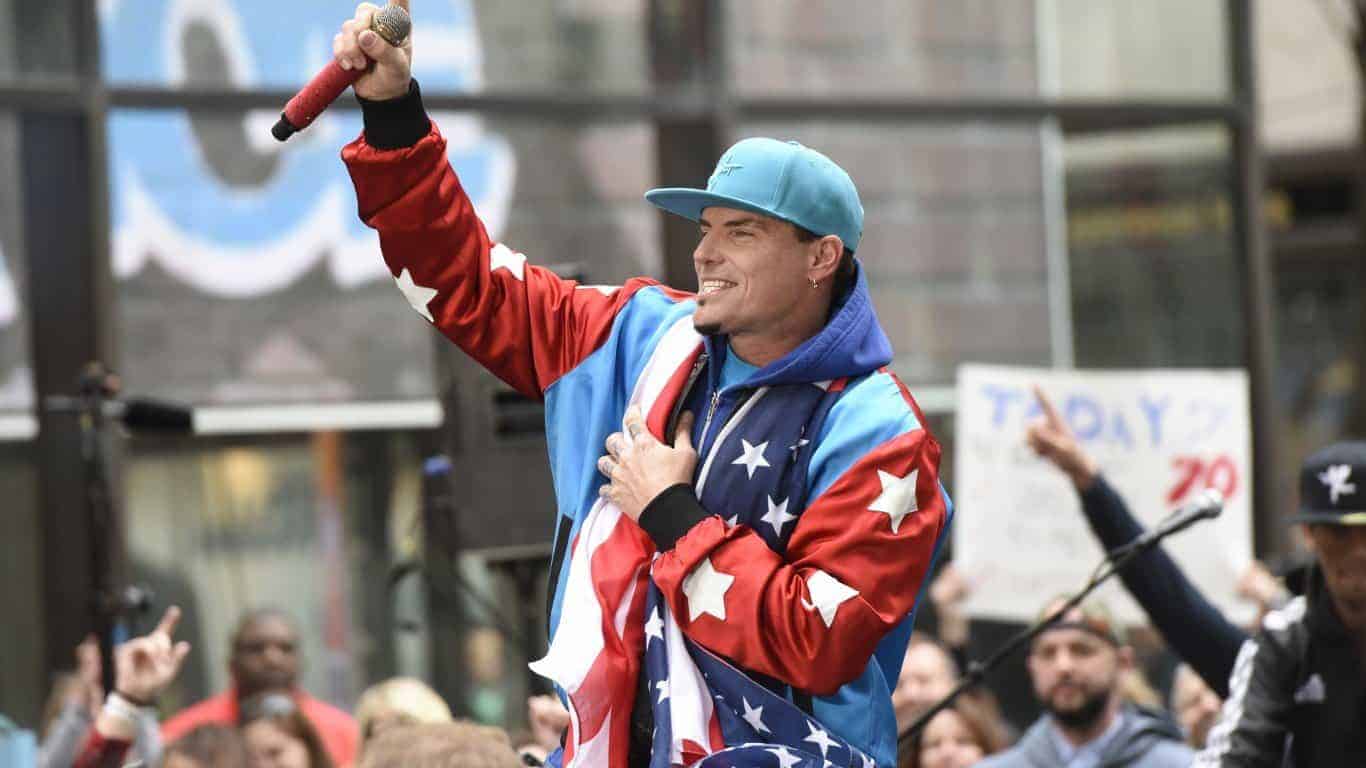
Anyone who was around in 1990 probably remembers how completely “Ice Ice Baby” took over. The song blasted from MTV, school dances, skating rinks, car stereos, and nearly every place young people gathered. Its unmistakable bass line and simple hook made it easy to recognize and even easier to memorize. Vanilla Ice's exaggerated image later became a source of jokes, while controversy surrounding the song's use of the bass line from Queen and David Bowie's “Under Pressure” changed how many listeners viewed the hit. Still, “Ice Ice Baby” made history as the first rap single to reach No. 1 on the Billboard Hot 100.
The “Macarena” Took Over Every Dance Floor
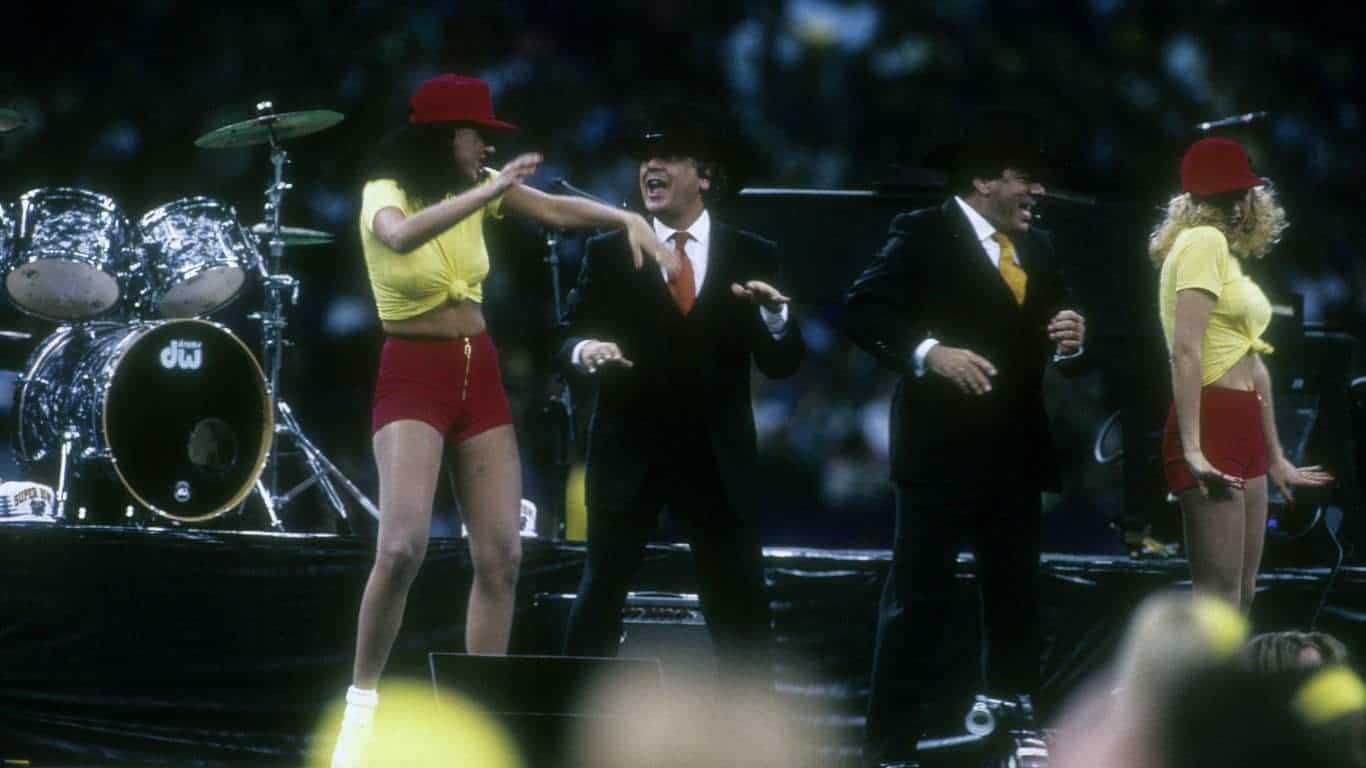
The “Macarena” was more than a hit. It was a group activity that invaded weddings, school dances, cruises, birthday parties, sporting events, and any gathering with enough room for synchronized arm movements. During the mid-1990s, children, parents, grandparents, teachers, and reluctant strangers all seemed to know the routine. Los del Río's remix reached No. 1 in the United States in 1996 and stayed there for 14 weeks, an astonishing run that explains why the song remains instantly recognizable. The dance made participation easy, but it also made escape almost impossible. Hearing the opening beat meant a room would either leap up with excitement or collectively search for an exit.
Award Season Played “Shallow” Into the Ground
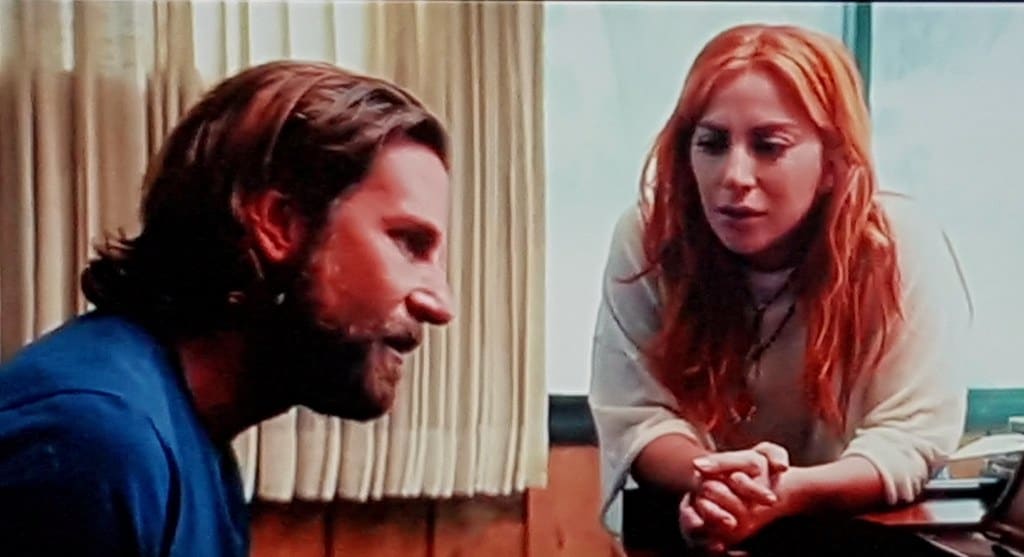
“Shallow” provided the emotional center of the 2018 film A Star Is Born. Lady Gaga's explosive vocals, Bradley Cooper's surprisingly convincing performance, and their on-screen chemistry gave the song a raw intensity that felt larger than an ordinary movie ballad. Then awards season stretched that moment across months. Performance clips appeared constantly, talk shows discussed the actors' chemistry, social media borrowed the chorus for emotional videos, and each ceremony introduced the song all over again. “Shallow” did not need decades to become overplayed because its exposure was so concentrated. The recording remains powerful, especially within the film.
“Shake It Off” Was Everywhere in 2014
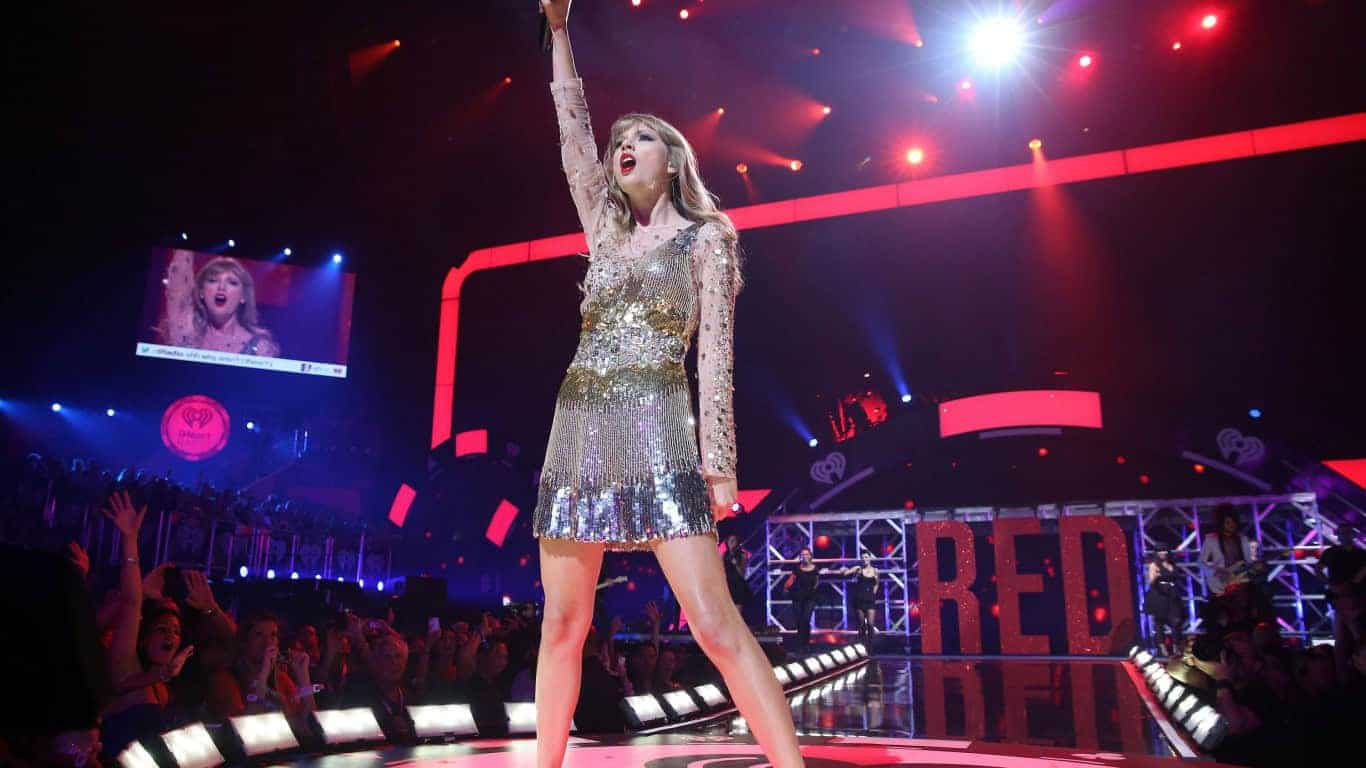
Taylor Swift's “Shake It Off” did exactly what a major pop single was designed to do. It was bright, catchy, family-friendly, and built around a message anyone could understand: ignore the criticism and keep moving. The 2014 release also announced Swift's full transition into pop music, giving stores, commercials, school events, sports broadcasts, and upbeat playlists a safe new anthem. Unfortunately, all of them seemed to play it at once. The cheerful advice gradually started to feel less encouraging and more like an order being shouted from every speaker in America. Even some devoted Swift fans needed a break from the relentless pep.
“Smells Like Teen Spirit” Became the Mainstream
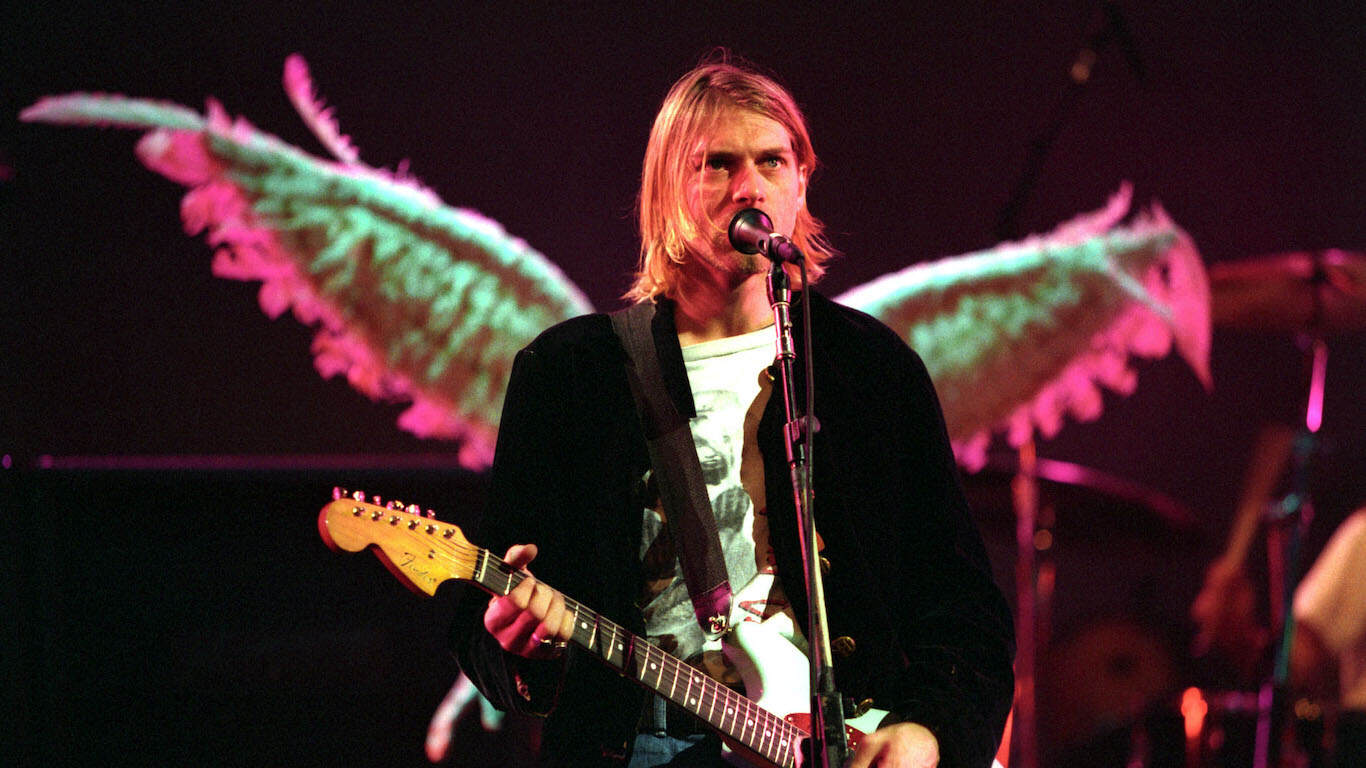
“Smells Like Teen Spirit” sounded like a rejection of polished mainstream rock when it erupted in 1991. Nirvana's distorted guitars, quiet-loud dynamics, and Kurt Cobain's ragged voice announced that the culture was changing. Teenagers felt the shift immediately, and even parents who did not understand grunge knew this song represented something new. The irony is that the anti-mainstream anthem soon became one of the decade's most familiar songs. Documentaries, advertisements, retrospectives, countdowns, and every discussion of Generation X used it as shorthand for rebellion. Cobain himself grew tired of its enormous shadow.
The image featured at the top of this post is ©"Taylor Swift" by Dvincleo is licensed under BY 2.0. – License / Original