
So your kid wants to play football, but you're not so sure. There are tons of articles and social media posts out there preaching the dangers of getting concussions or other serious injuries from playing contact sports, like football, hockey, rugby, and wrestling. While there are many dangers to contact sports, and parents should navigate with caution, there are also advantages to playing for kids who are mature enough to do so.
Kids grow up so fast, from playing outdoor games to getting ready for high school varsity teams. So, when is the right time for your kid to move from tag to tackle football?
How Do I Know If My Child Is Ready to Play Contact Sports?

©Lucky Business/Shutterstock.com
Experts agree that there is no set age when all children are ready to play contact sports, and people of all ages can be at risk of injury from tackling or body checking. Many experts suggest not teaching these kinds of techniques until children are at least 12, sometimes older, depending on their physical and emotional maturity. Children are especially at risk because they are still growing, says Dr. Mark Rieger, MD, FAAOS, Pediatric Orthopedic Surgeon and Founding Partner at The Pediatric Orthopedic Center.
“Children are not just smaller versions of adults. Their bodies are still growing and developing, which means sports injuries can affect them differently,” he says. “Growth plates are still open in young athletes, making them more vulnerable to certain injuries that require specialized evaluation and treatment.”
Before you consider letting your child play football or another high-contact sport, consider their physical development, coordination, strength, and readiness to play by safe rules. Once you think they are ready in each of those areas, look for the right team and coaches for your child, carefully vetting each organization before committing.

©Monkey Business Images/Shutterstock.com
What Should Parents Look for in a Coach or Team?
Parents should try to find a coach who emphasizes proper technique and uses the appropriate protective equipment for the age level of the children involved. Ask about the league's safety policies and maybe go to a game before signing up to see if coaches encourage kids to play through a hard hit or take a break.
“Coaches should focus on teaching proper technique, minimizing unnecessary contact during practice sessions, and verifying that all athletes' equipment fits appropriately,” says Dr. Mariam Zakhary, DO, Clinical Advisor of Ikon Recovery Center in New Jersey. “In addition, coaches should immediately remove an athlete from the field if they suspect that a concussion has occurred. Similarly, parents should seek out programs that emphasize athlete safety over winning.”
Ask around your neighborhood to see if friends or family members have recommendations for clubs and leagues that are top-tier when it comes to safety. When you do select a team, make sure you buy safety equipment that is properly fitted for your child and teach them, or have the coach teach them, how to use or wear it properly.
Are There Kids Who Should Never Play Contact Sports?
There are definitely kids who should avoid contact sports altogether, Zakhary says. If your child has an uncontrolled seizure disorder, an unstable heart condition, or cervical spine instability, they should stay away from anything with hard impacts. Additionally, if a child has recurring concussions, they should think about trying non-contact sports instead.
©Lopolo/Shutterstock.com
What Should I Do If My Child Is Injured Playing Contact Sports?
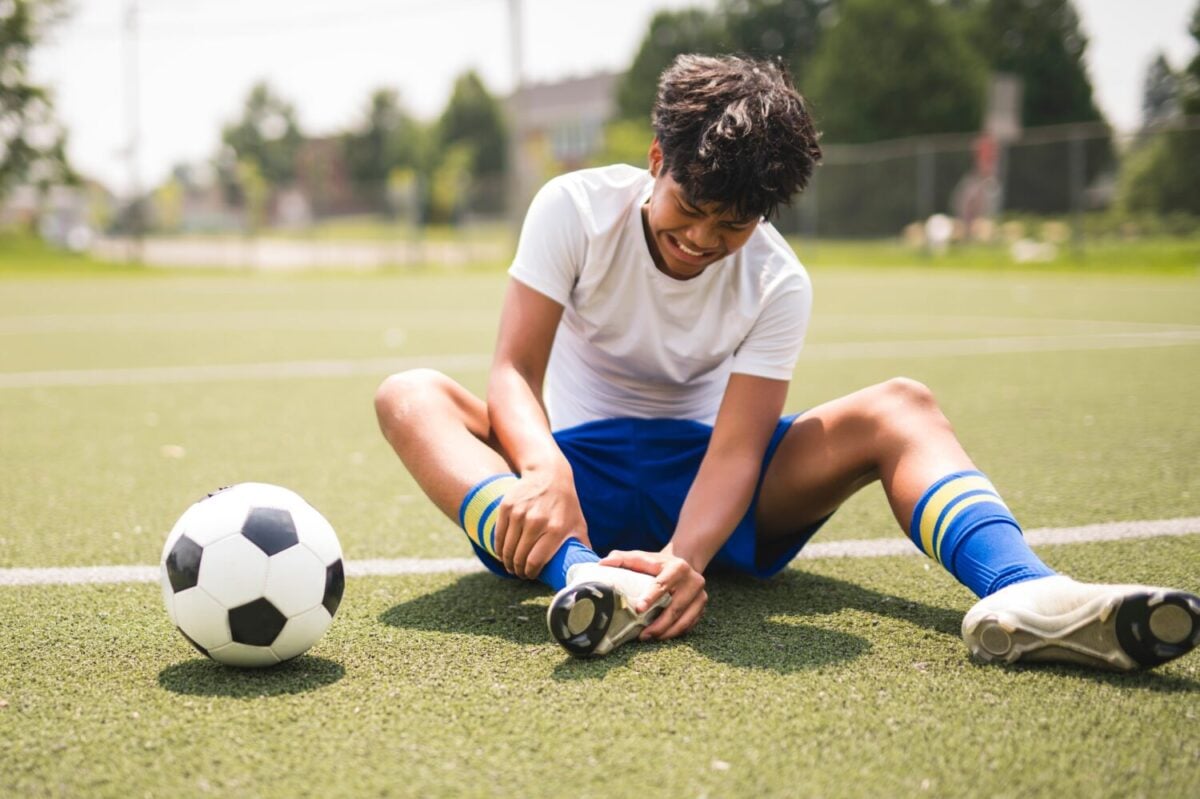
If your child gets hurt, immediately remove them from the field of play. For serious injuries, including loss of consciousness, difficulty breathing, uncontrolled bleeding, or a serious head or neck injury, parents should seek emergency care immediately by calling 911 or going to the nearest emergency room, Rieger says.
“Parents should also seek medical evaluation for significant pain, swelling, difficulty bearing weight, limited motion, visible deformity, repeated symptoms, or concerns about a head injury or concussion,” he says.
After an injury, kids should avoid returning to sports until they are fully recovered. For bumps and bruises, they should be ok to return with parent permission. For more serious injuries, parents should consult a medical professional. Some injuries may require a continuum of care that gradually gets kids back into top playing condition.
Do the Benefits of Contact Sports Outweigh the Risks?
Despite the risk of injury, sports of all kinds are a great way to encourage physical fitness, build confidence, teach teamwork, and improve mental health.
“With proper coaching, preparation, protective equipment, and attention to injury prevention, many children can safely participate,” Rieger says. “The key is recognizing that children’s bodies require specialized care when injuries occur. Early evaluation and treatment by providers experienced in pediatric sports injuries can help protect a child’s growth, recovery, and ability to stay active.”
The image featured at the top of this post is ©Rido/Shutterstock.com