Youth sports are a big part of childhood for many families. Kids often get their first taste of teamwork, competition, and discipline through organized sports. While the benefits of youth sports are widely celebrated, the challenges are real, too, and every parent who has lived it knows that the highs can be exhilarating and the lows can be downright exhausting. And can we talk about the scheduling? Sports come with a lot of challenges for your calendar.
In this article, we’ll explore youth sports through three lenses: an expert’s perspective, the well-documented pros and cons, and a parent’s personal experience. Together, these views paint a complete picture of how sports can shape kids and families for years to come.
What Does an Expert Say?

©matimix/Shutterstock.com
To learn more about the impact of youth sports, we turn to Alex Barene, MS, CMPC, Sport & Performance Psychology Professional at Foundation Mentality. “Organized sports give kids a chance to grow in all areas: physically, emotionally, and socially. They build strength and coordination, boost confidence, and teach teamwork and leadership. Research even shows kids in sports are more likely to feel connected, resilient, and motivated,” says Barene.
However, sports aren't always suitable for everyone involved. According to Barene, “The challenges usually come when things get out of balance.” It is easy for things to go awry in today's sports landscape. It's not uncommon for kids to get pushed in one direction.

Alex Barene, MS, CMPC, Sport & Performance Psychology Professional at Foundation Mentality
©
Barene says, “Specializing in one sport too early can lead to overuse injuries and burnout. Too much pressure to perform, whether from coaches, peers, or parents, can also take the joy out of it.” Barene says that coaches and parents should strive to create environments of psychological safety, where young athletes can learn their sport and develop skills in a supportive and positive setting.
Play and fun should also be a part of the plan. “Physically, kids need balance: training, but also recovery and free play,” says Barene. “This is key to both athletic development and enjoyment of sport. Emotionally, the key is making sure sports meet three needs: autonomy, competence, and connection.”
When children feel like they have some choice in their activities (autonomy), believe they are capable of learning and improving (competence), and feel supported by teammates and coaches (connection), they are more likely to stay engaged and motivated.
Too much structure or pressure can take away from these elements, while an environment that values fun, friendships, and personal growth can keep kids involved in sports for the long term.
Another factor to consider is how time-consuming sports can be. “Time investment is a double-edged sword. Sports can teach responsibility and time management, but overscheduling can crowd out family time, academics, or downtime. Parents can help by keeping the big picture in mind. For most, sports should be one part of a well-rounded life,” says Barene.
Barene explains that when kids feel a sense of ownership, see progress, and feel supported by their team, they develop intrinsic motivation and resilience that they carry into other life challenges.
“I’m of the persuasion that sports are one of the best arenas to learn life lessons. They provide kids with a safe yet challenging environment in which to set goals, navigate adversity, and collaborate with others toward a shared goal that is bigger than themselves. Those lessons learned in youth sports can last a lifetime,” Barene says.
Pros of Youth Sports

Sports are a great way to expand your social circle.
©Monkey Business Images/Shutterstock.com
When people think of youth sports, they often picture uniforms, scoreboards, and Saturday morning games. But the real value of sports goes far deeper. Youth sports can play a powerful role in shaping a child’s growth, character, and future. From physical health to emotional resilience, the lessons learned on the field or court often continue to bear fruit long after the final whistle blows.
Physical Health and Fitness
One of the most obvious benefits of youth sports is improved physical health. Regular practices and games give children the exercise they need to build strong bones, muscles, and cardiovascular health. Developing a love for physical activity early on can also set the stage for lifelong healthy habits.
Social Skills and Teamwork
Sports teach children how to cooperate with others toward a shared goal. Learning to pass the ball, communicate effectively, and celebrate teammates’ successes helps kids build friendships and understand the value of teamwork.
Confidence and Self-Esteem
Mastering a new skill, whether it’s dribbling, serving, or scoring a goal, can give kids a real sense of accomplishment. Being recognized for their efforts boosts self-esteem and helps children feel capable both on and off the field.
Discipline and Time Management
Balancing practices, games, and schoolwork helps children learn time management skills. Sports also encourage discipline through regular practice routines, adherence to rules, and respect for coaches and referees.
Emotional Growth and Resilience
Youth sports naturally come with wins and losses. Learning how to handle disappointment, bounce back after mistakes, and keep trying builds resilience, a skill that translates to many areas of life.
There’s no doubt that youth sports can be a powerful force for good in a child’s life. They offer structure, friendships, confidence, and lifelong lessons that extend far beyond the scoreboard. Still, like anything, they come with challenges, too.
Cons of Youth Sports

Sports can also cause children some stress.
©Suzanne Tucker/Shutterstock.com
Youth sports can offer incredible benefits, such as helping kids build teamwork, resilience, confidence, and lifelong friendships. However, they also come with challenges that families should be aware of. While the positive impact of athletics is often celebrated, it’s just as important to talk openly about the drawbacks so we can create a healthier, more balanced experience for kids.
Risk of Injury
Sports-related injuries are common among children, ranging from minor sprains to more serious concussions or fractures. Overtraining and lack of rest can also contribute to long-term health issues.
Pressure and Stress
Some kids face intense pressure to perform, whether from coaches, parents, or themselves. This can take the fun out of sports and lead to anxiety or burnout.
Cost and Time Commitment
Youth sports can be expensive, especially with uniforms, equipment, travel, and registration fees. They also require significant time, which can strain family schedules and limit kids’ opportunities for other activities.
Overemphasis on Winning
When the focus shifts too heavily toward competition and winning, kids may lose sight of the joy of playing. This emphasis can discourage children who are less skilled or who want to play for fun.
Unequal Access and Inclusion
Not all families can afford youth sports, and some children may feel excluded due to financial, physical, or social barriers. This can create inequities in who gets to participate and benefit.
By acknowledging the risks of injury, pressure, financial strain, and exclusion, we can work toward solutions that keep kids safe, happy, and engaged. At the end of the day, the goal should be to make sports an opportunity for every child to grow, learn, and enjoy the game.
A Parent's Perspective

As a parent with a kid in sports, the highs are amazing, and the lows can be rough.
©Tuhaa/Shutterstock.com
This author has had kids in youth sports for over 11 years. We started when they were in preschool, and over the years, we’ve done it all — baseball, basketball, soccer, volleyball, dance, swim, karate, and more. We’ve lived through the 7 a.m. games on cold, very rainy Oregon fields, the weeknight practices that always seemed to land right in the middle of dinner or even bedtime, and the endless laundry piles full of grass stains, sweaty socks, and the unmistakable smell of a gym bag.
We spent countless hours in the car, crisscrossing the state between practices, tournaments, and games. We cheered with our hearts in our throats during the nail-biters, celebrated the thrill of the wins, and consoled our kids with hugs and ice cream after the hard losses.
Along the way, I watched my kids grow in confidence, learn to work hard, and discover what it truly means to be part of a team. I also saw the other side — the burnout, the pressure, and the overwhelming demands that come with competitive schedules. Youth sports shaped not only their childhoods but also our family’s daily rhythm. For more than a decade, being a “sports family” was who we were.
And then, it stopped. Both kids quit sports, one in high school, the other in middle school. At first, it felt like we were mourning the loss of an identity. I wasn’t just a mom — I was a baseball mom, a basketball mom, a volleyball mom. That role came with its own community, a sense of belonging among other parents in the bleachers, and a steady rhythm to our weeks. Suddenly, it was gone. The practices, the games, the tournaments that once filled our calendars were replaced with space.
Moving On From Youth Sports
It took a while to untangle the mix of emotions. We realized how much we had sacrificed as a family; we missed big family events, holidays, school breaks, vacations, all because “the kids can’t miss practice.” At the time, it felt necessary, even non-negotiable. Looking back, I sometimes wonder if we gave too much of ourselves to the schedules, the commitments, the chase for the next level.
But I also know this: those years mattered. They shaped my kids in ways that will last far beyond their time on the court or the field. The wins and losses may fade, but the friendships they built are still going strong. Some of their closest friends today are the same kids they sat next to on the bench or lined up with before a game. There’s something about sweating, competing, and working side by side toward a common goal that forges bonds you don’t find everywhere.
It wasn’t just the kids, either. I made friendships in the bleachers that have lasted well beyond the end of a season. The other parents became part of our community; we shared snacks, rides, rental homes, pep talks, and more than a few late-night vent sessions after a tough game. Even though the practices and tournaments have ended, those relationships remain, woven into the fabric of our family’s story.
So yes, even though we’ve stepped away from the world of youth sports, the lessons, the friendships, the memories, and yes, even the grass-stained laundry, are part of who we are as a family. They taught us resilience, the importance of teamwork, and the joy of showing up for one another.
And while our weekends look different now, those years gave us a lasting reminder that the value of youth sports isn’t just about the game, but about the people you walk alongside while playing it. My kids got exactly what they were meant to learn from sports, and we couldn’t ask for more.
Parting Thoughts
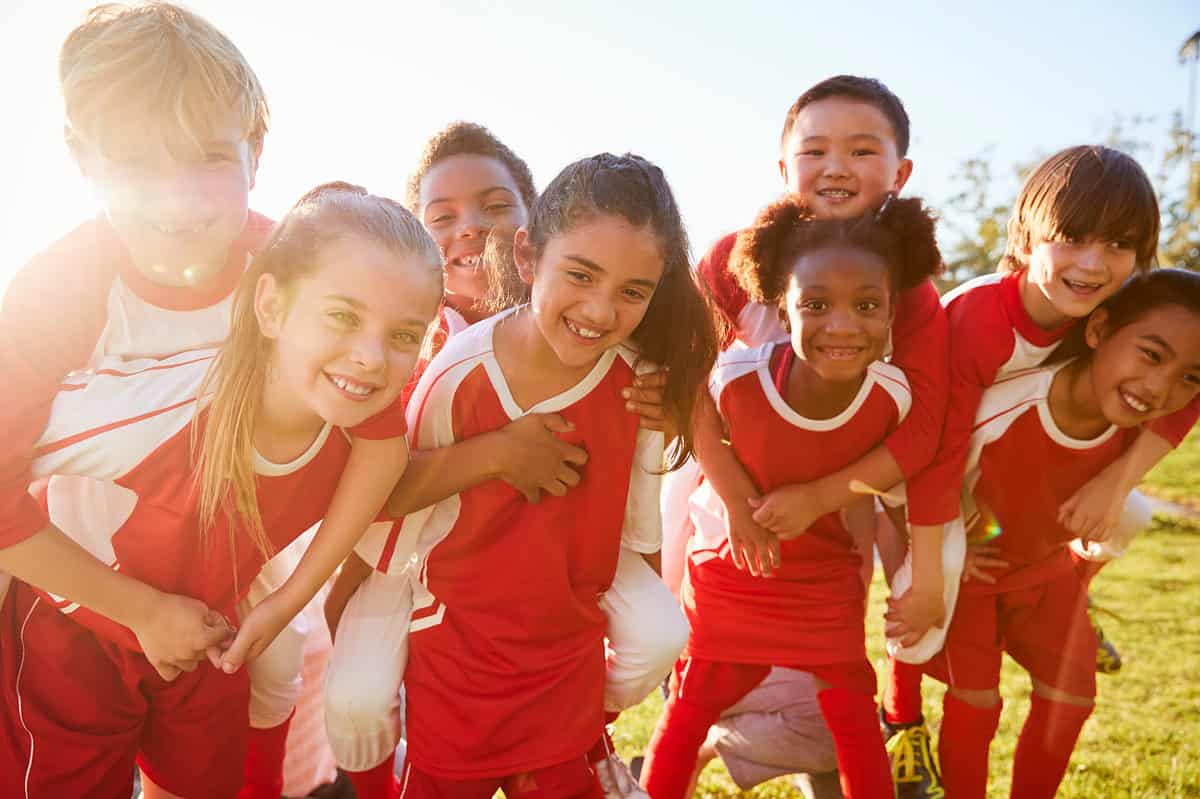
Youth sports offer a lot of great lessons for your child and for the family.
©Monkey Business Images/Shutterstock.com
Youth sports are complicated. They bring joy, growth, stress, and sacrifice, often all at once. For parents and kids alike, the journey is filled with early mornings, hard work, disappointment, triumphs, and the kind of memories that linger.
What stands out most, though, isn’t the wins or the medals — it’s the friendships built, the resilience gained, and the lessons that carry into every corner of life. Sports can teach kids how to work as a team, manage setbacks, and push themselves in healthy ways. At the same time, they remind parents of the importance of balance, of knowing when to push, when to rest, and when to simply let kids be kids.
In the end, youth sports are about more than the game. They’re about connection, growth, and the shared experiences that shape families and communities. Whether your child plays for years or walks away after a season or two, the lessons learned about teamwork, perseverance, and joy are the ones that truly last a lifetime.
The image featured at the top of this post is ©FamVeld/Shutterstock.com