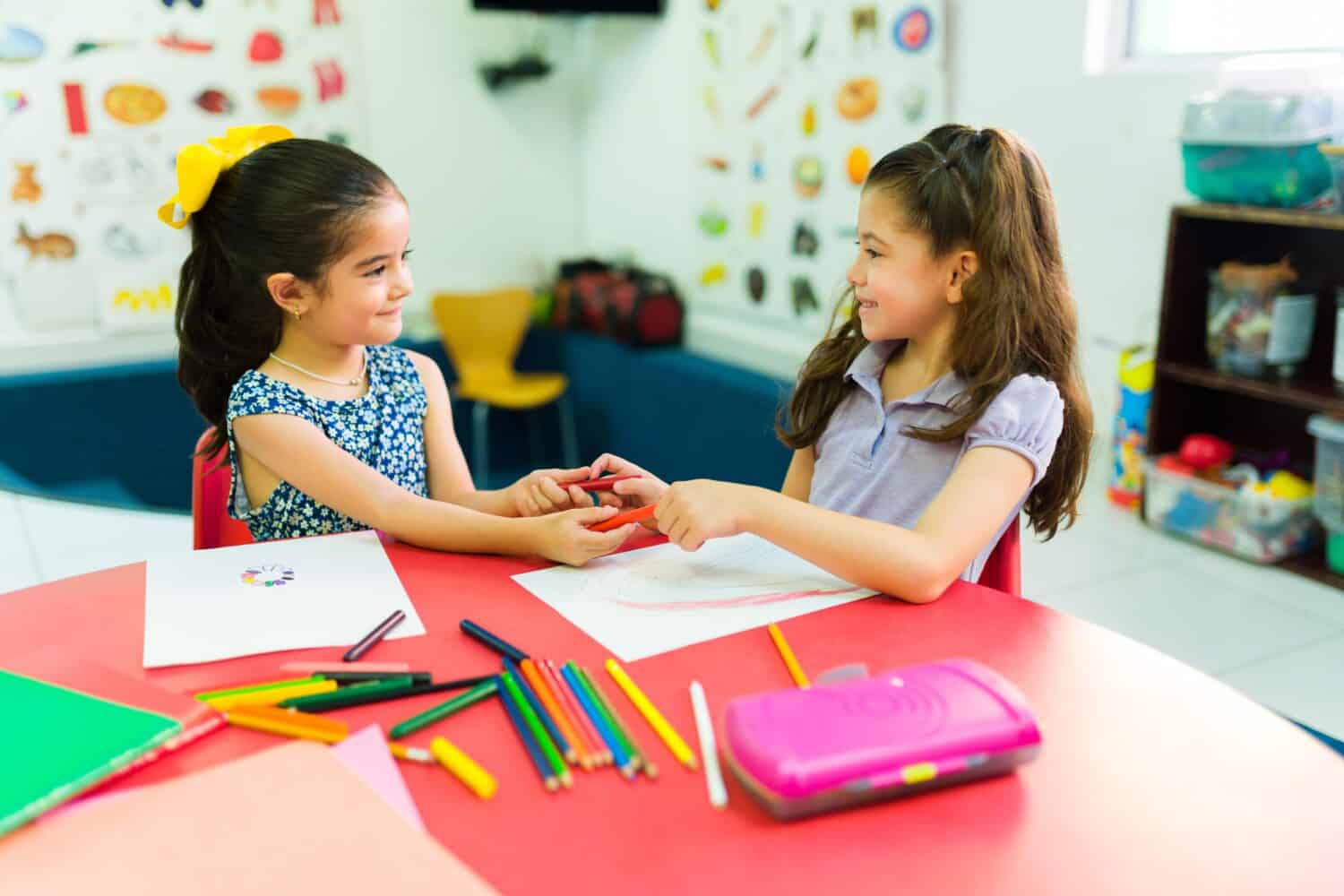
If there's anything the world needs more of, it's kindness. Children come about this naturally, whether it's through an invitation to play, a small smile, or even curiosity. While there's no malice in a child's questioning, many of us were taught as children to “stop staring” or “mind our business.” But rather than explaining why staring is rude, it only reinforces that a child is doing something wrong.
In the modern day, there are plenty of alternatives to “don't stare.” It is possible to encourage a child's curiosity about someone who may look, sound, or act differently from them, without making them feel as though they're in trouble. Disabilities are part of life, and treating them as such is how we raise the next generation of accepting, loving humans. To learn how to do this, we speak with Megan Fuciarelli, Founder & CEO (Chief Empowerment Officer) of US² Consulting.
Why “Don't Stare” Is So Outdated
“When I was a child, I remember being told, ‘Don’t stare.' It was meant to teach politeness. But what I internalized was that the difference was something uncomfortable. Something to avoid. Something we do not talk about,” says Fuciarelli.
“Years later, when my son began noticing people who looked or moved differently, I felt that same reflex rise up. And I chose differently.” Fuciarelli explains that in her professional work, she reminds leaders that silence around difference creates more harm than thoughtful conversation.

©Jacob Lund/Shutterstock.com
“When we shut down their questions, we unintentionally attach shame to difference. When we respond with calm clarity, we normalize it,” she says. “As a DEI leader, I talk about culture at a systems level. As a mother, I see culture forming in real time. Inclusion does not begin with policy. It begins in these small, ordinary exchanges. When we teach children to ask questions with empathy rather than suppress them out of discomfort, we are not just shaping manners. We are shaping the way they will move through a diverse world. And that work begins with us.”
How Early Can We Teach Children About Inclusion?
Approximately 13 million kids report being bullied annually in the U.S. This number is staggering when you realize how many times these situations can be prevented. We ask Fuciarelli how early parents can start teaching their kids about insivity diversity. She responds that it is never too early to learn how to accept another person.
“Inclusivity can begin as early as toddlerhood. Children notice differences long before they have the language to explain them. What they do not yet have is context. That is where parents come in,” Fuciarelli says.
“When we respond to their observations calmly and openly, we teach them that difference is normal rather than uncomfortable. Inclusion is not a single conversation. It is a pattern of responses over time. The earlier we normalize diversity in bodies, abilities, cultures, and communication styles, the more naturally empathy develops.”
What to Say Instead of “Stop Staring”
Sometimes, it's just a reflex to ask a child to stop staring at someone who looks different. The need to avoid an awkward situation is instinctive, and it can't always be helped. However, there are ways to navigate it proactively. Even if you start the conversation about inclusivity early in your child's life, there will inevitably be a time when you feel the urge to say, “Stop staring.” Fuciarelli shares with us how to navigate that situation.
©Rawpixel.com/Shutterstock.com
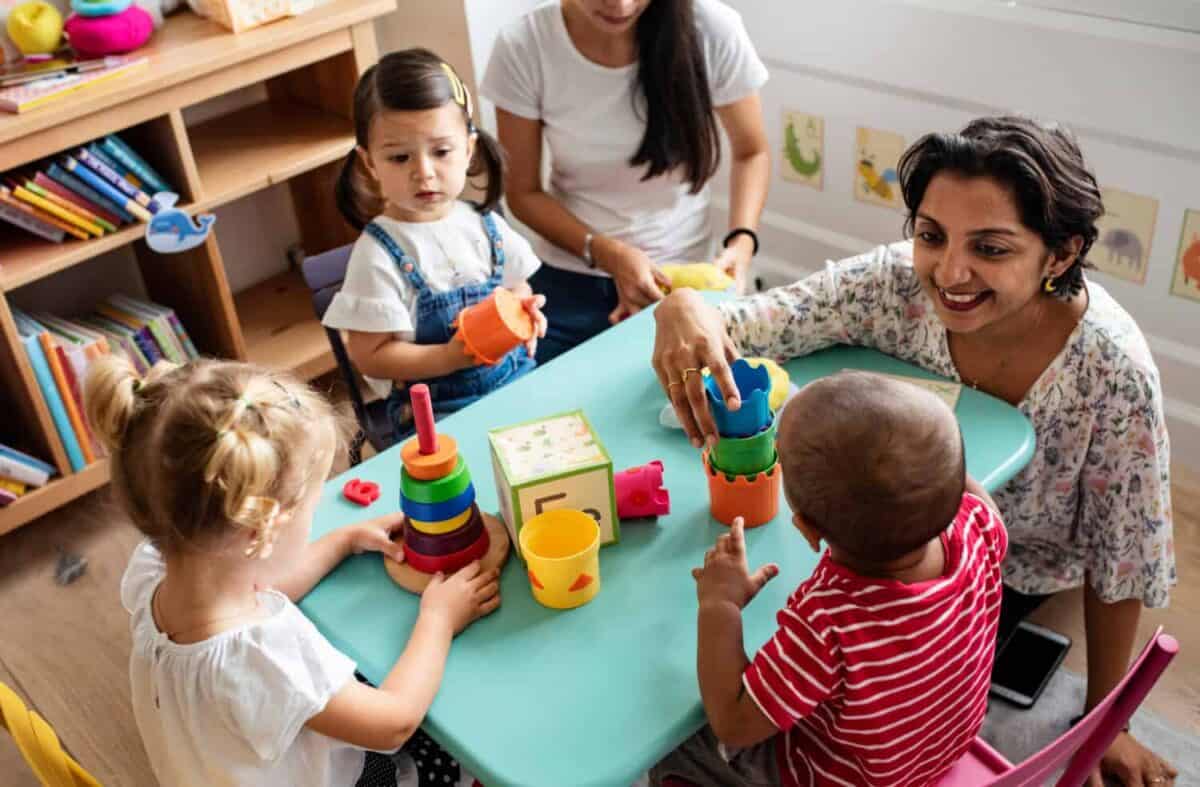
“Instead of ‘Don’t stare,' I say, ‘What are you noticing?' or ‘That’s a thoughtful question. Let’s talk about it.' Curiosity is not disrespect. Curiosity is how children learn. The key is teaching them how to pair curiosity with kindness,” she says.
“I explain to my son that some bodies work differently. Some brains work differently. Some people communicate differently. That does not make them less. It makes them human. I also teach him that although curiosity is paramount, people are not obligated to explain themselves. Respect and consent matter.”
Fuciarelli also tells us that honesty is always the best policy when it comes to kids, when explaining why or how someone is different from them. “Something like, ‘Some people’s bodies or brains work differently from yours, and that is part of how humans are made.' I avoid language that suggests something is wrong or needs fixing. Children understand fairness and kindness deeply. Framing disability as a natural part of human diversity helps them approach it with curiosity rather than pity. It is also important to explain that not everyone wants to answer questions about their body or experience. Respect includes honoring boundaries,” she explains.
One Step Further: Encouraging Friendship Among Diversity
Teaching inclusivity doesn't always end with familiarizing children with the idea that people are different from them. It also includes encouraging friendship and kindness wherever possible, in an open and accepting way. Fuciarelli says that with her own son, she typically encourages him to ask questions about other people privately. From there, they have an open dialogue about what he's observing.
“When my own son is curious, I encourage him to ask me privately rather than staring or asking loudly in the moment. I might say, ‘It looks like you’re noticing something. Let’s talk about it together.' If he wants to approach someone, I guide him toward simple, universal kindness. A smile, a hello, or an invitation to play is enough. Difference does not require commentary.”
©JR-50/Shutterstock.com
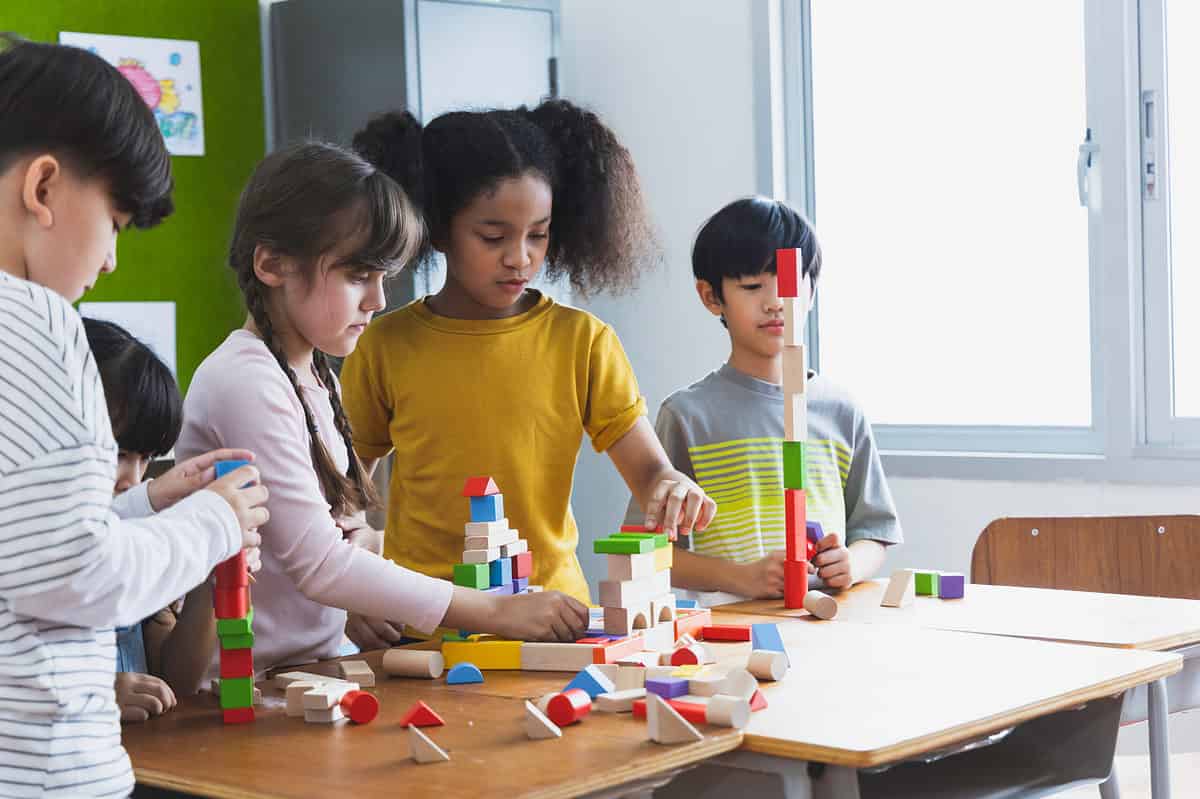
She also feels that children can stand by one another, with inclusivity as a strong bond between friends. “I believe children can be taught to stand up for their friends, and I encourage this lesson to be explicitly taught by parents, family members, teachers, and daycare professionals. That does not mean confrontation. It can be as simple as redirecting attention, including someone in conversation, or calmly saying, ‘We don’t tease.' Teaching children to advocate for others builds both courage and compassion.”
“As both an educator and a mother, I believe inclusion is built in ordinary moments. When we respond with calm, clarity, and curiosity instead of discomfort, we give children tools that shape how they move through a diverse world.”
Megan Fuciarelli, Founder & CEO (Chief Empowerment Officer) of US² Consulting.
The image featured at the top of this post is ©antoniodiaz/Shutterstock.com